Biggest Tactical Trends in the Champions League this season

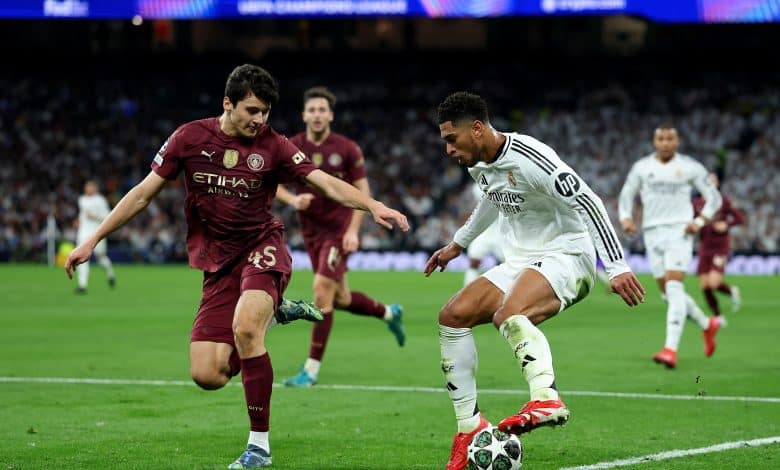
The Champions League has never felt more like a travelling tactics convention than it does this season. The old comfort blanket of tidy four-team groups is gone. In its place sits the new 36-team league phase, a rolling carousel of heavyweight clashes that looks more like a supercharged regular season than a cup competition.
With everyone playing eight different opponents, four at home and four away, there is nowhere to hide. You cannot ease your way through a soft group then hope to click in February. The big clubs are treating every match as both a statement and a science experiment, tweaking structures, auditioning rotations and burning through playbook pages at high speed.
Out of that chaos, a few clear patterns are emerging. Across Paris, London, Madrid, Munich and beyond, you can see the same ideas recurring: harder pressing, more flexible shapes, smarter dead balls, younger legs and a surprising amount of old-school directness.
Here are the tactical trends shaping this season’s Champions League, and how the contenders are surfing them.
It doesn’t get better than a Champions League night
A new format
The new format really changes the incentives. Thirty six clubs in a single table, eight matches to rack up points, and finishing position now affecting knockout paths and home advantage.
For coaches, it means:
- More high level fixtures in the league phase
- Fewer low pressure matches
- Greater punishment for off nights
- A premium on squad depth and rotation
- Higher stakes for goal difference and late game margins
You can see it in how top sides approach these games. There is little sense of pacing anymore. Arsenal have stormed through the early phase playing at full throttle. Paris Saint Germain have carried their aggressive identity forward rather than shifting into defensive title holder mode.
— 365Scores (@365Scores) November 27, 2025
Press Press Press
If one Champions League trend towers above the rest, it is the intensity of the press. Almost every contender in the top bracket is defined by how they hunt the ball. A lot of this flows from the new generation of elite managers. Arsenal and Manchester City continue to refine fluid pressing systems that shift shape within single passages of play, tilting from a 4-3-3 into a 3-2-5 or 4-2-4 as they jump. Liverpool under Arne Slot have leaned into controlled high pressing with greater build up stability, tightening both their defensive work and rest defence behind the press.
Real Madrid have subtly evolved too. Once content to sit deep and break late, they now press higher, faster and with greater structure, with wide players triggering the jump and midfielders stepping forward more aggressively.
The Champions League Team of the Week is stacked with the stars that outperformed their opponents!
— 365Scores (@365Scores) November 27, 2025
Kylian Mbappe leads the line after scoring 4 goals, while Vitinha’s hat-trick against Tottenham helped his side to an impressive 5-3 win over Tottenham.
Do you agree with our… pic.twitter.com/Hi0MOcWazu
Shifting from a back four to stack the midfield
If pressing is the Champions League headline, tactical shape shifting is the engine underneath it. The clean, static 4-3-3 is quietly disappearing at the elite level. What teams write on the teamsheet rarely resembles how they actually attack or defend across ninety minutes.
The most influential Champions League adjustment is the inverted full back and the rise of the box midfield. Instead of wide defenders simply overlapping, they now step into central areas to create extra midfielders, shorten passing lanes and protect against counter attacks.
Arsenal regularly build with three defenders behind a square of four central players, even though they still appear as a back four on paper. Riccardo Calafiori or Jurrien Timber will step into the midfield, providing an extra option. Manchester City operate in similar fashion, with full backs drifting inside to overload central lanes and free up wide forwards.
Elsewhere, shape shifting takes different forms. Real Madrid slide defenders into half spaces to destabilise man oriented presses. Juventus flip between a 3-4-3 and a 4-3-2-1 depending on game state. Frankfurt and Inter regularly rotate wing backs and midfielders to preserve width while maintaining central control.
This constant blender of movement serves two purposes. In possession, it makes pressing triggers harder to read, as the player you expect to be wide suddenly appears between the lines. Out of possession, it allows teams to collapse into compact blocks that suffocate the number ten zone.

Champions League set piece supremacy
If modern Champions League football is decided at the margins, set pieces are now the sharpest edge. Corners, wide free kicks and long throws have become carefully engineered attacking platforms rather than secondary events.
Arsenal lead the movement. Their corner routines have become case studies in crowd manipulation, delayed runs and back post overloads. They are not scoring by chance. Every movement is choreographed to open one specific lane – that of Jurrien Timber, William Saliba, Mikel Merino or usually Gabriel.
Across the competition, a clear arms race is underway. Specialist set piece analysts are now standard at major clubs. Delivery zones are tracked obsessively. Blocking runs are timed to the metre. Rebound zones are staffed by designated second phase shooters.
Even throw ins have now been weaponised. Longer pauses, rehearsed movements and late arriving runners have turned restarts into pressure moments rather than relief moments for defenders. It is no accident that referees are increasingly active in policing grappling and jostling at dead balls.
When open play breaks down between evenly matched sides, these moments are often the difference. In a tighter, higher quality league phase, they matter more than ever.

Rotation and youth
The Champions League has always demanded depth, but this season the physical demands have reshaped tactical planning. Coaches are not rotating just to survive the calendar. They are building strategies around it.
High pressing, fast transitions and repeated sprints reward youth. Across the competition, under 23 players are a dominant presence in starting lineups and late game substitution plans. Managers now look to younger legs not simply for development but for tactical reliability at extreme intensity.
Match rhythm reflects this shift. Games often start cautiously as teams balance energy load from the weekend. Intensity rises toward half time. Then the final twenty minutes explode into stretched chaos as substitutes with fresh speed attack exhausted defensive units.

FAQs
How has the new Champions League format changed tactics?
The 36 team league phase increases the number of elite fixtures and reduces low pressure matches. Coaches now prioritise squad depth, pressing sustainability and late game control because every goal and point feeds directly into knockout positioning.
Which teams best symbolise the Champions League pressing trend this season?
Arsenal, Manchester City, Paris Saint Germain, Liverpool and Real Madrid all operate with high pressing as their default rather than a situational tool. Their structures are built to recover possession quickly and compress opponents high up the pitch.
Are set pieces really that decisive in the Champions League now?
Yes. With evenly matched sides cancelling each other out in open play, corners, free kicks and throw ins have become primary attacking weapons. Specialist coaches and heavy video preparation now shape these moments as key scoring platforms.
Why are younger players so prominent in the Champions League this season?
Because the tactical demands are extreme. High pressing and transition football require repeated sprinting and rapid recovery. Younger players are more capable of sustaining that output across both domestic and European commitments.
Is football becoming more direct at elite level again?
Not in the old sense, but modern possession teams are more willing than ever to go long when space appears. Directness is now a calculated tactical option rather than a sign of panic or poor structure.
By Nicky Helfgott / @NickyHelfgott1 on Twitter (X)
Keep up with all the latest Champions League stats, where to watch & latest news on the 365Scores website and app!