The Formula for Success: Decoding Unai Emery’s Impact Rating Revolution at Aston Villa
Analyzing Villa's Defensive and Offensive Turnaround

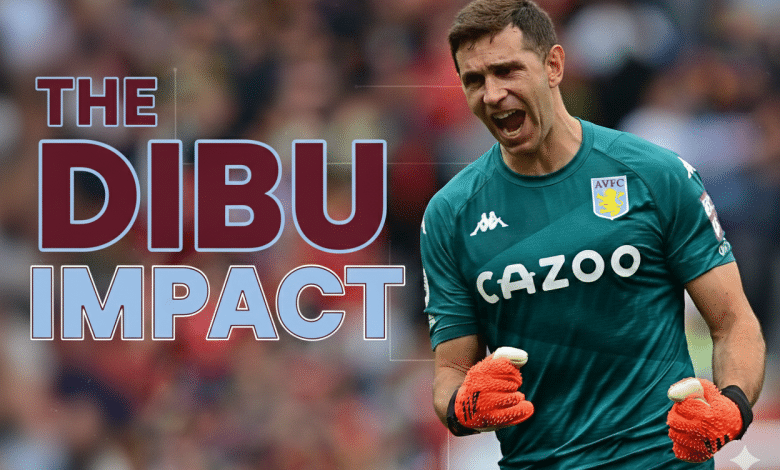
From Turmoil to Title Contenders: The Data-Driven Revolution
Aston Villa’s climb from near the bottom of the table to 2nd place, capped by the momentous victory over Arsenal, wasn’t accidental. It was a structural and psychological correction visible in the Impact Rating (IR) data. This report analyzes the precise moments and metrics that powered their ascent, translating the raw data into an understandable narrative focused on their **Defensive Stability** and **All Player** performance.
The UCL Hangover: A Crushing Start
The contrast between last season’s historic fourth-place finish—a campaign lauded for its defensive resilience and relentless consistency—and the opening five weeks of the current campaign was jarring. Having competed in the UEFA Champions League for the first time in decades, the emotional and physical toll seemed to hit the squad hard. The structural stability that defined their success vanished, replaced by defensive anxiety and disjointed attacking play that left them hovering perilously close to the relegation zone.
“It was baffling. This was a team that knew how to suffer, knew how to win ugly. Suddenly, they looked scared of their own shadow. The post-Champions League burnout felt real, and if it wasn’t fixed quickly, Emery’s legacy was genuinely at risk.”
The data confirms the chaos. The aggregated team Impact Rating (IR) for Matchweeks 1–5 dropped by nearly 30% compared to the previous season’s average. This wasn’t just a loss of form; it was a crisis of structure that required radical intervention, which Unai Emery provided.
The Manager’s Voice: A Chronological View
The Impact Rating data aligns perfectly with Unai Emery’s public commentary, charting the team’s mental and tactical journey from a poor start to a high-momentum charge.
MW 1-5: Lacking Identity
“We are lacking presence, lacking aggressiveness, and lacking the identity we built last season. This is not the Aston Villa I want to see.”
Pre-MW 6: Contract Concern
“We need clarity with Emi’s contract situation before we bring him back into the lineup. Nothing is more important than stability.”
MW 6-15: Structure
“The players are showing character. Every match, the structure is stronger, the reactions are clearer, and the performances are more complete.”
Post-Arsenal: Belief
“We are playing with ambition. Today you saw a team that believes. Our improvement is no coincidence—it comes from hard work.”
The Tactical Fix: How Structure Propelled Villa to Second
The ascent from the bottom half to 2nd place is a testament to Unai Emery’s deep, data-led understanding of tactical football. The turning point, visible both in his public tone and the objective metrics, occurred around Matchweek 6, coinciding with critical defensive personnel and tactical adjustments. The team quickly rediscovered its identity, tightening the midfield, deploying faster transitions, and, most importantly, regaining the high defensive IR metrics that underpin all of Emery’s successful teams. This rapid transformation is what makes this season’s story so compelling.
“This is classic Emery genius. He didn’t panic-buy; he fixed the engine he had. The data tells us the defensive foundation was restored first—especially with the keeper situation resolved—and then the offensive sparks, like Buendía, could actually execute. They are genuine title contenders now, and that is a miraculous turnaround.”
The following graph (focused on Defensive Stability) and statistics provide the analytical evidence, translating the manager’s successful decisions into quantifiable performance improvements across the squad’s core positional units.
Data Insights: Core Defensive Stability
The chart below illustrates the dramatic shift in defensive stability across all key positional groups between the poor start (MW 1-5) and the successful surge (MW 6-15). The Goalkeeper improvement acted as the foundation for the backline’s collective rise.
Restored Stability. The return of Emi Martínez provided the highest singular lift in defensive metrics.
Ball Progression. Vital improvement in central stability and passing from the back.
Width & Support. Key improvement adding defensive cover and outlet options on the flanks.
Metric Decline. Central averages dropped, likely due to role rotation and tactical shifts.
The Catalyst
Emi Martínez
Martínez’s initial absence, though short, and subsequent instability led to a low **GK Avg. IR of 27.55** (MW 1-5). His return provided the necessary confidence, boosting the metric to **39.25** (MW 6-15).
Offensive Efficiency
Emi Buendía
Buendía’s IR per Minute average jumped dramatically in Phase 2. This suggests he utilized his time on the pitch with maximum efficiency, driving critical actions in attacking transitions and creating chances that turned tight games in Villa’s favour. He was the vital offensive spark.
The Cutting Edge: Attacking Efficiency and the Buendía Effect
After stabilizing the defensive foundation, the next critical phase was the revolutionizing of the attack. The improvement wasn’t merely due to volume but synergy: the central pairing of Ollie Watkins’ relentless high-pressure work and Morgan Rogers’ growth provided the goal threat and tactical consistency. However, the qualitative jump came from Emiliano Buendía. His phenomenal IR per Minute (IR/m) rating, reaching an elite **0.55** in Phase 2, illustrates a player operating at peak efficiency. When he was on the pitch, the critical actions—chances created, successful final third passes, and key assists—exploded.
“Buendía’s numbers are scary. When you see an attacking midfielder hitting 0.55 IR per Minute, it’s not just form, it’s tactical perfection. Emery has found the key to unlocking his most devastating creative asset, and that singular efficiency is the reason Villa are now capable of beating anyone on a given day.”
This collective offensive efficiency, anchored by Watkins and fueled by Buendía’s creation and Rogers’ increased contribution, allowed the entire attacking structure to function at a far higher level, turning tight draws into crucial victories and solidifying Villa’s position among the league’s elite. The individual breakdown below highlights these dramatic improvements.
Player Deep Dive: Statistical Breakdown (All Players)
This table shows the individual performance changes across all players, filtered by the highest Impact Rating (IR) in Phase 2 (MW 6-15).