FIFA finally removes an extra international break – it’s good news for football

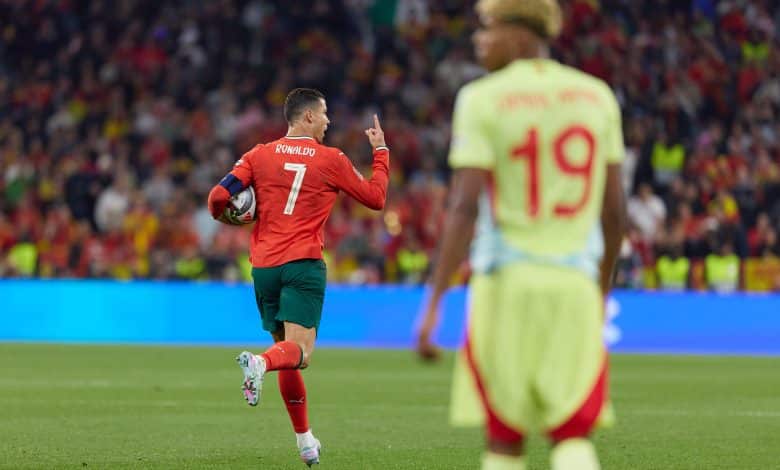
International football’s calendar is finally getting a sensible tweak. From 2026, the traditional September and October windows will be combined into one extended block, with national teams permitted up to four fixtures across a 16-day camp. The November and March windows remain as two-match breaks. It sounds technical, but the practical effect is straightforward. Fewer pauses. Fewer flights. More rhythm for club seasons. For once, a change serves both club and country.
Finally, the international break is reformed
What is actually changing
FIFA’s men’s international match calendar for 2025 to 2030 introduces a single late-September to early-October camp from 2026, lasting 16 days and allowing up to four games. The 2025 season still uses the old model with separate September and October windows, but the consolidation begins the following year. November and March stay as nine-day, two-match windows, with June primarily for tournament preparation in summers without a major finals. This is not a marginal adjustment. It removes an entire stop in the domestic calendar while giving national teams a longer, more coherent period to work.

Fewer interruptions, better domestic rhythm
Every autumn we see the same pattern. The league season starts, momentum builds, then it judders through two early stop-starts. Folding those September and October dates into a single block reduces the frequency of disruption to one extended pause rather than two shorter ones. That is good news for coaches trying to bed in new signings, for clubs integrating academy players, and for supporters who have seen promising starts derailed by staccato scheduling. A single pause also simplifies fixture sequencing for leagues that are already juggling expanded European competitions and domestic cups.
Less travel means healthier players
Consolidation removes one release-and-return cycle. For many internationals that is the difference between two long-haul journeys and one. Fewer red-eyes and fewer time-zone whiplashes translate to better recovery windows and lower soft-tissue risk. For South American or Asian players, the international travel can take a serious toll.
FIFPRO’s recent workload monitoring has highlighted the cumulative impact of short turnarounds, repeated travel and stacked summers on physical and mental wellbeing. Reducing the number of times players fly out mid-season is a concrete step toward addressing those concerns, even if it does not fix the entire problem.

National teams gain quality time, not more time
International managers often lament the scattered nature of the old calendar. A three-day meet-up, two matches, then pack up for another month. The longer September camp changes the cadence. Coaches can stage a proper camp rhythm, sequence friendlies and qualifiers logically, and devote more training time to game model work rather than just set-pieces and walkthroughs. Crucially, they can do this without adding more matchdays. The maximum remains four fixtures in that period, just grouped into one coherent block rather than two disjointed meet-ups.
The trade-off: one longer gap
There is a trade-off. Instead of two short pauses, leagues will stop for roughly half a month in late September and early October. That will feel like a long wait just as club seasons are taking shape. The balance of the argument still favours the change. One predictable, concentrated break is easier to plan around than two jolts. Broadcasters and ticket offices can build marketing arcs without the season pecked apart every few weeks. Clubs can map conditioning blocks around one window, not two. And supporters know where the lull sits rather than bracing for another interruption a fortnight later.
Is Lionel Messi hinting at international retirement? 🤔 pic.twitter.com/BGcKji13nr
— 365Scores (@365Scores) September 3, 2025
Benefits for performance planning
For performance staff, continuity matters. Training loads can be periodised with fewer off-on cycles. Squads re-enter club competition with a cleaner runway, which should reduce the dreaded post-international dip that often follows long-haul returns in the old model.
Meanwhile, national teams can distribute minutes across four games, rotate travel sensibly within the camp, and stage recovery days without racing the clock. In both environments, fewer transitions usually equals fewer errors and better availability. The research on player workload does not claim that consolidation alone prevents injuries, but it consistently points to travel and short recovery as risk multipliers. The new shape trims at least one of those multipliers.

The bottom line
This is not a revolution. It is a practical fix to an obvious problem. By combining September and October into a single international camp from 2026, the sport gets fewer early-season interruptions, fewer exhausting travel cycles and more coherent preparation time for national teams. It is the sort of administrative housekeeping football has needed for years. Keep the momentum going with genuine rest protections and smarter fixture design, and a small scheduling tweak could mark the point where the calendar finally started working for the people who play the game as much as for those who organise it.
By Nicky Helfgott – NickyHelfgott1 on X (Twitter)
Keep up with all the latest football news and Premier League news on 365Scores!