What has led Manchester United’s turnaround?

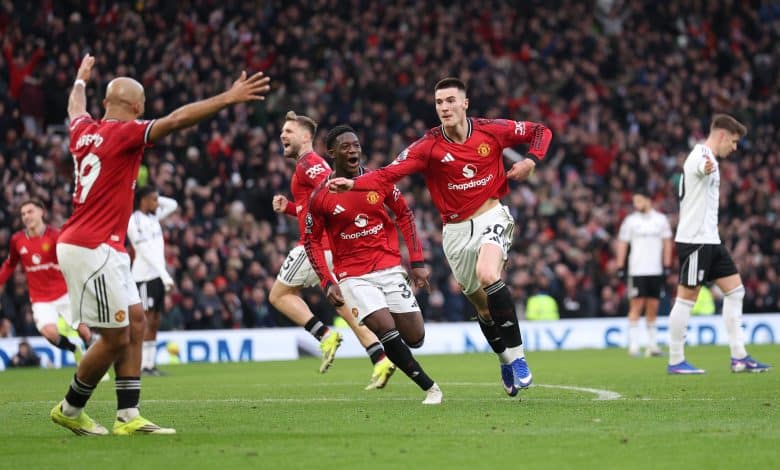
Manchester United have made plenty fresh starts over the last decade. So far, this has been one of their freshest.
Since Michael Carrick took over as head coach until the end of the 2025/26 season, United have reeled off four straight Premier League wins, the sort of run that doesn’t just move you up the table, it changes the temperature in the room. They’ve done it with proper scalp-taking too, beating Manchester City 2-0, winning 3-2 away at Arsenal, edging Fulham 3-2, then controlling Tottenham 2-0 after Cristian Romero’s red card turned the game into a long exercise in patience.
United are suddenly fourth with 44 points from 25 matches, which is a far healthier sentence than anything we were writing a month ago. The mood around Old Trafford has shifted from brittle to buoyant. The soundtrack has changed from groans to that low, rising murmur that says: go on then, do something.
So what’s actually changed? Not everything. But a few tweaks have landed at the same time, and the combination has been powerful.
Manchester United are looking like Manchester United again
Michael Carrick giving the players more freedom
The quickest tell has been how little United look like they’re playing with a calculator.
Carrick has loosened the tactical handbrake: less fussing over perfect shapes in possession, more permission for the front players to solve problems in real time. You see it in the small choices. Midfielders taking a touch to turn, rather than immediately bouncing it back to safety. Wingers attacking their full-back early, before the defence can set its feet. The No 10 drifting into the half-spaces because the game is asking for it, not because the whiteboard says so.
It’s not anarchy. It’s simplification.
United’s attacks are now built on clearer ideas: get forward quicker when the space is there, and when it isn’t, circulate with intent rather than recycling out of habit. The passes look braver, but the bravery is organised. Players are taking risks in the right zones because they’re not constantly worried about breaking a rigid pattern.
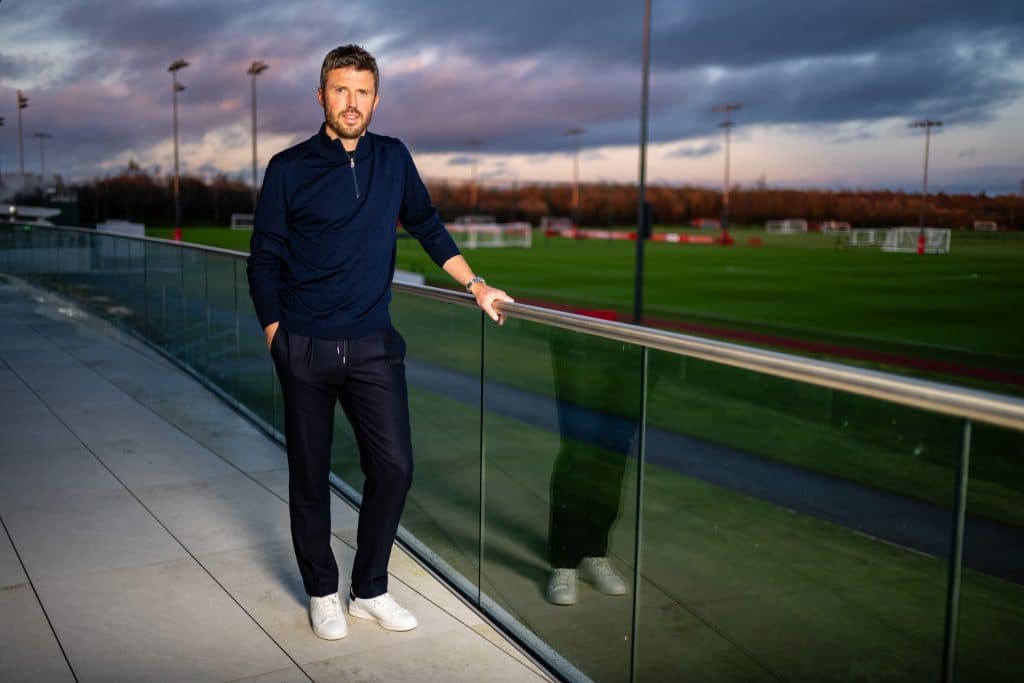
The other thing Carrick has done, quietly, is hit the reset button on the mood. His appointment came after Ruben Amorim’s departure in early January, and United needed a psychological airlift as much as a tactical one. The instructions have become easier to execute and, crucially, easier to believe in. When players feel trusted, they tend to play like it.
Bruno Fernandes’ form: the volume knob is back up
United’s revival has been loudest through their captain.
Bruno Fernandes has always played football like someone trying to speed-run the sport: constant movement, constant risk, constant insistence that the game should be played at his tempo. When a team is disjointed, that can look like chaos. When a team is connected, it looks like leadership.
Right now, it’s the second one.
The headline number is this: Fernandes has six Premier League goals and 12 assists already, giving him 18 goal involvements in the league. He’s also out in front in the assist race, and he’s doing it in a particularly Bruno way: not by racking up safe sideways passes, but by constantly puncturing defensive lines.
His assist pace has real historical bite. The Premier League single-season assist record is 20, and Fernandes is eight away with plenty of matches still on the schedule. It’s not just volume either, it’s the spread: set pieces, early switches, slip passes in transition, little reverse balls that make defenders turn their hips the wrong way.
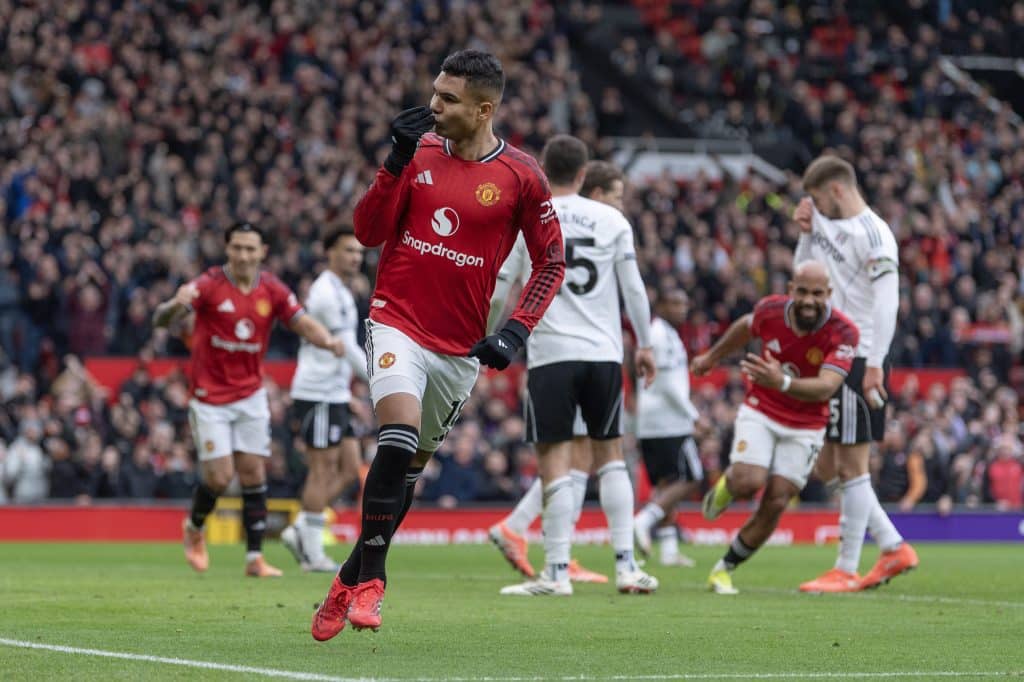
Zoom in on the recent streak and you can see why it’s working. Against Fulham, he set up two goals in a 3-2 win, including a delivery that Casemiro nodded home and the late moment that put Benjamin Šeško in to win it. Against Spurs, he didn’t just score the second, he orchestrated the tone: quick restarts, forward passing, and constant demands for runners ahead of him.
🔴 BRUNO FERNANDES REACHES 200 GOAL CONTRIBUTIONS FOR MANCHESTER UNITED! 🎉
— 365Scores (@365Scores) February 7, 2026
📊 314 Games
⚽ 104 Goals
🎯 96 Assists
A milestone of pure creativity and relentless impact. 👑 pic.twitter.com/Aq6hyGmjfL
Kobbie Mainoo: the calm that makes the chaos work
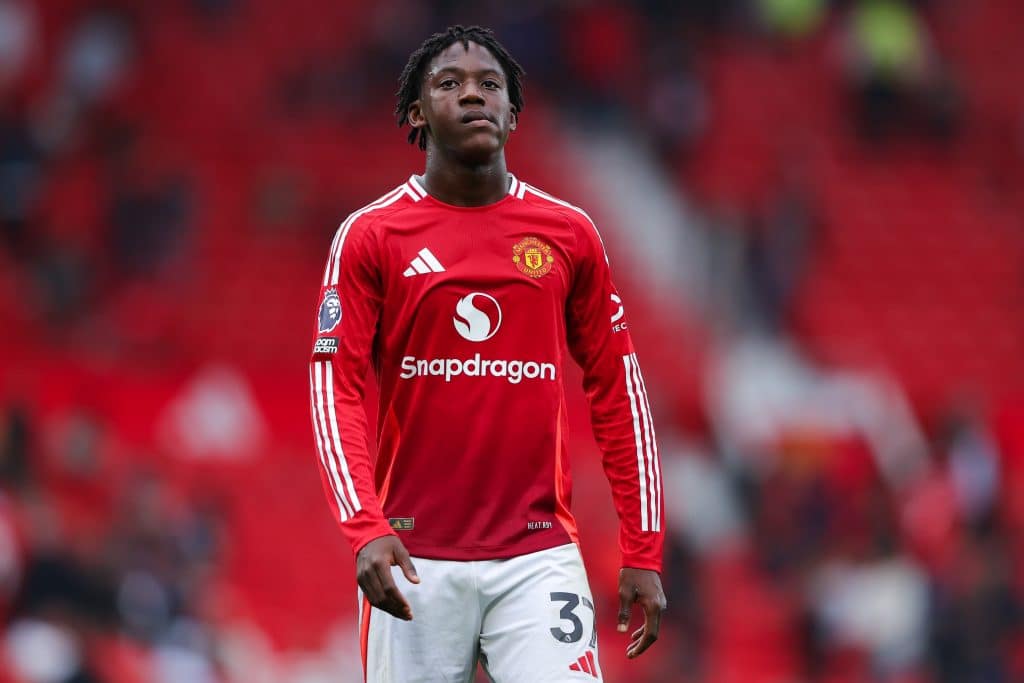
Mainoo’s importance in the turnaround is not about highlight reels. It’s about stress levels.
When United are good, they always have a midfielder who can take the temperature out of a match for 10 seconds at a time: receive under pressure, roll away, find the simple pass, and let everyone breathe. Mainoo gives them that, and he gives it to them in the most high-value areas of the pitch, the ones where losing the ball feels like stepping on a rake.
Watch him and you’ll notice how often he’s the escape hatch. Opponents press, he finds a half-turn. Opponents swarm, he keeps the ball on the safe side of his body and waits for the lane to open. United have wanted to play quicker, and they can, because Mainoo is the player who knows when to slow it down.
Against Tottenham, he was central to the opening goal. The move started from a corner routine: Mainoo’s decoy movement helped manipulate the defensive shape, and Bryan Mbeumo finished the chance. That sort of detail matters, because it shows Mainoo isn’t just calm, he’s engaged in the mechanics of how the team is trying to score.
And the wider point is this: a team can’t play front-foot football without at least one midfielder who protects them from themselves. Mainoo is United’s stabiliser. He makes ambitious football sustainable.
Set pieces that look like they’ve been practised (and believed)
Set pieces are often the quickest way to tell whether a team is well coached, well drilled, and fully bought in.
United’s recent run has featured more purposeful dead-ball work, especially from corners. The opener against Spurs was not a scramble or a lucky second ball. It was a planned routine, with movement designed to create a free shooter. Those goals don’t happen by accident. They happen when players take details seriously and execute them at speed.
This matters beyond the goals. Good set pieces raise a team’s floor. On days when the open-play rhythm is off, you can still win football matches with one well-designed corner and a sturdy defensive performance.
The vibe shift: Old Trafford sounds like a place that expects things again
Football is not just tactics. It is atmosphere, belief, and the sense that the players are not carrying a weekly crisis on their shoulders.
Four straight league wins have reintroduced something United have missed: a bit of inevitability. Not the arrogant kind, but the calm kind. The feeling that if they keep playing their game, something will happen.
It’s still interim-by-design, and nobody should pretend four wins guarantee a future. But the ingredients are coherent: simplified roles, braver attacking decisions, a captain producing elite-level chance creation, and a young midfielder giving the team composure. Put those together and you get a turnaround that looks less like a miracle and more like a reset with logic behind it.
✂️ A HAIRCUT HANGS IN THE BALANCE! 😄
— 365Scores (@365Scores) February 7, 2026
Man United have won 4 games in a row for the first time in 2 years. One fan promised not to cut his hair until they win 5 straight.
Next game: West Ham.
Will he be booking a barber appointment on Tuesday? 💇♂️🔴 pic.twitter.com/Yok7b0rm5J
FAQs
Is Carrick the permanent solution for Manchester United?
He’s been appointed until the end of the season. Whether he stays beyond that will depend on results, performance level, and what United’s leadership decide about the long-term direction.
How good has Bruno actually been for Manchester United, in numbers?
In the league: six goals, 12 assists, 18 goal involvements. He’s eight assists off the single-season record of 20, and he’s created chances at a rate that’s driving United’s entire attack.
Why does Mainoo matter for Manchester United if he isn’t scoring every week?
Because control is a skill. His value is in resisting pressure, connecting phases, and keeping United stable so the attacking players can take risks without the whole side snapping in half.
What’s the biggest tactical change for Manchester United?
Less rigid build-up, more freedom in the final third, and a clearer midfield balance. United are attacking faster when the moment is on, and they’re defending transitions with better spacing when it isn’t.
Can this run last for Manchester United?
The early signs are encouraging because the improvements aren’t just emotional. You can see structural changes in how United keep the ball, how they create chances, and how they manage games when they go in front. Sustaining it is the challenge, but the foundations are more believable than new era slogans.
By Nicky Helfgott – NickyHelfgott1 on X (Twitter)
Keep up with all the latest football news and Premier League news on 365Scores!


