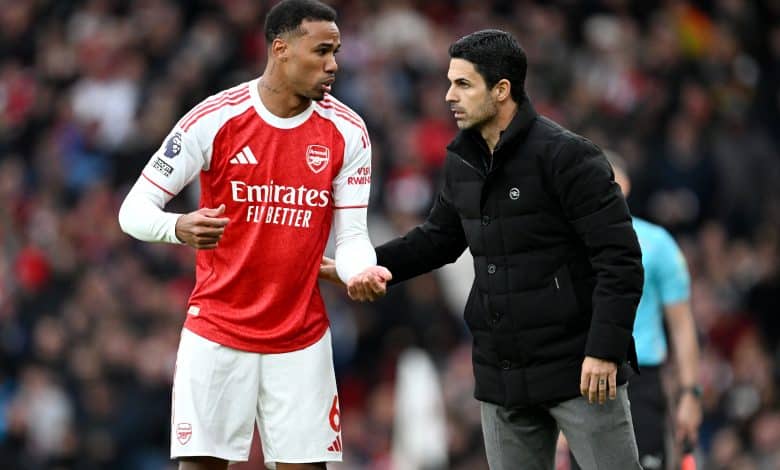
Premier League leaders Arsenal have just been held to back-to-back 0–0 draws, first at home to Liverpool and then away at Nottingham Forest. It is the first time they have gone consecutive goalless games in the Premier League since 2012. On its own, that would be a curiosity. In context, it looks more like a symptom.
There have already been 17 (!) 0–0 draws in the Premier League this season. That is more than the entire total for last year, and we are nowhere near the finish line. For a league that built its global reputation on chaos, goals, and emotional whiplash, the creeping normalisation of nil-nils feels odd.
So why is this happening? Has the Premier League quietly become pragmatic? Are defences winning the tactical arms race? Is this just a statistical wobble that will iron itself out by May? The answer sits somewhere in the overlap.
Surely the Premier League isn’t becoming… boring?
Control has become the league’s default setting
The Premier League of the last decade sold itself on speed and risk. The current version is far more interested in control.
Across the division, teams are committing fewer bodies forward unless the conditions are perfect. Possession is recycled more patiently, pressing triggers are clearer, and defensive rest structures are drilled to the point where conceding a transition feels like a coaching failure rather than an occupational hazard.
This is not anti-football. It is anti-chaos. Managers are increasingly comfortable winning games 1–0 or not losing them at all. When both teams arrive with that mindset, the match can quickly turn into a negotiation rather than a fight.
Arsenal’s recent 0–0s are instructive. Against Liverpool, two elite sides effectively cancelled each other out by prioritising structure over spontaneity. Against Nottingham Forest, the onus was on Arsenal to break down a compact opponent who had no interest in opening the game up. Neither match lacked intensity. Both lacked goals.
Set pieces are no longer a bonus. They are a strategy
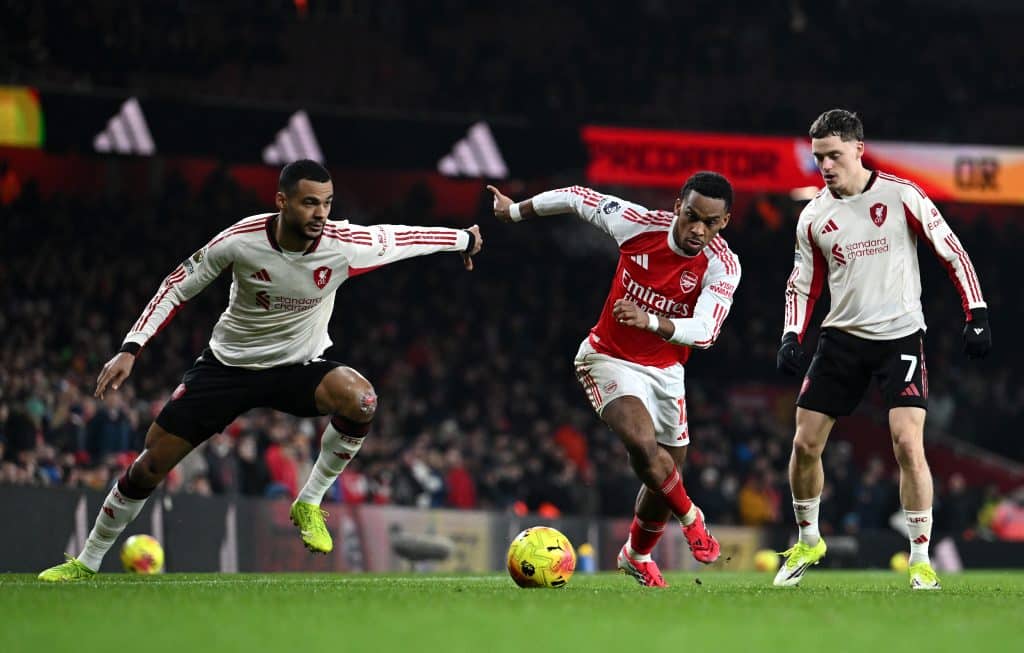
One of the most striking features of this season has been the growing importance of set pieces. Fewer than two-thirds of Premier League goals have come from open play, putting this campaign among the lowest shares in the competition’s history.
That matters. Open-play goals tend to come from sustained pressure, combinations, and transitions. When they decline, games naturally become more stop-start and more dependent on dead-ball moments for decisive action.
Set pieces are attractive because they are controllable. They can be planned, rehearsed, and repeated. You do not need to dominate a match to score from a corner. You just need one well-executed routine and a moment of aerial advantage.
As more teams invest heavily in set-piece coaching, the marginal gains stack up. The flip side is that teams also get better at defending them, which further reduces the number of goals overall. If open play dries up and set pieces are shared evenly, 0–0 becomes an increasingly likely outcome.
Direct football is back, but not in the way you think
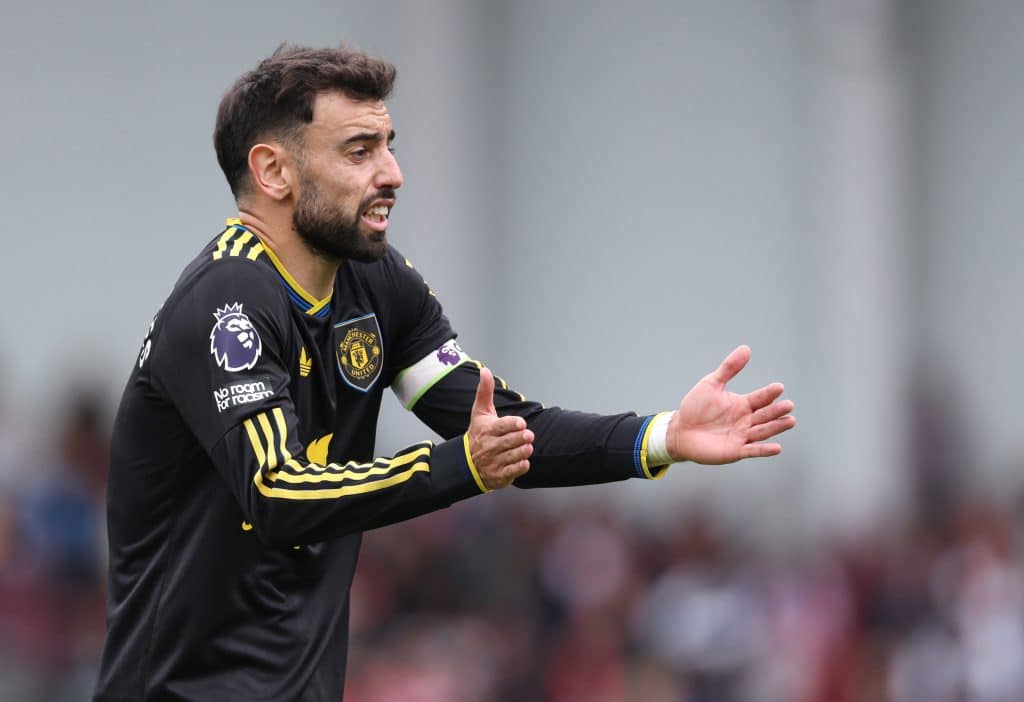
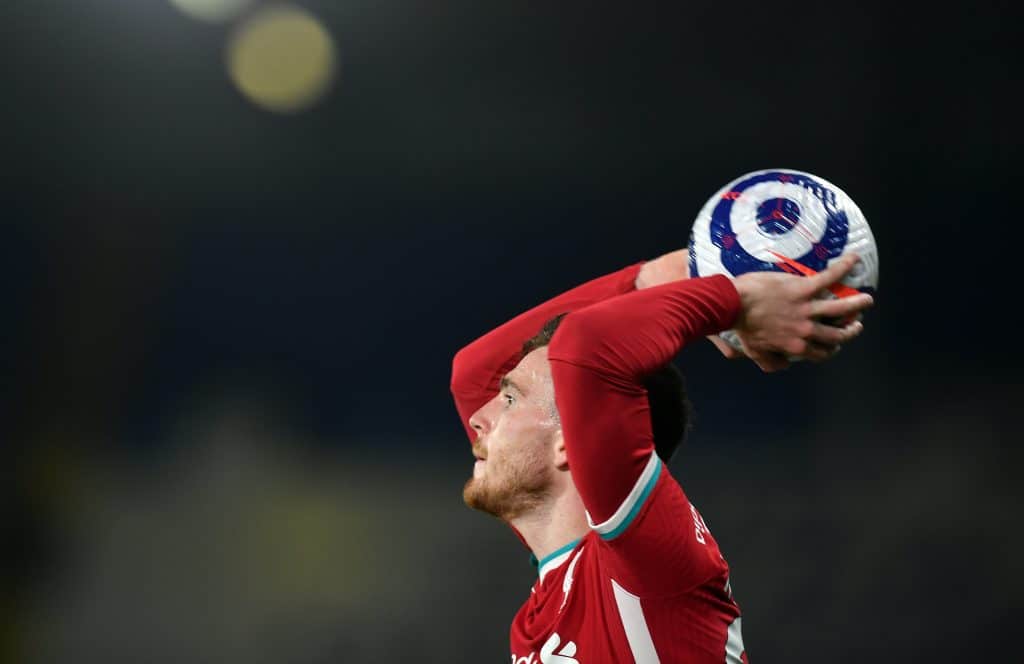
Another quiet shift this season has been a move towards more direct play. Fewer passes. Quicker progression. More willingness to go long or vertical earlier in possessions. We’ve even seen a huge increase in long-throws. It’s not uncommon to see a full-back traverse the pitch to take a throw-in in the attacking third, as if it were a corner.
In theory, this should produce more goals. In practice, it often produces more contests.
Direct balls are easier to defend if you are set up for them. They lead to second balls, aerial duels, and broken phases rather than clean entries into the penalty area. Unless the timing is perfect, directness can compress the game rather than stretch it.
When both teams play this way, the match becomes physically intense but creatively limited. There is plenty happening, but not much of it results in shots from prime locations.
Goalkeepers and shot suppression are better than ever
Another underappreciated factor is how well teams now suppress shot quality. Defenders are trained to funnel attackers into wide areas and poor angles. Midfields screen central zones relentlessly. Shots from outside the box are tolerated because they are statistically manageable.
Goalkeepers, meanwhile, are more informed than ever. Opponents are analysed in forensic detail. Preferred finishing angles, body shapes, and shot tendencies are all mapped. When chances do arrive, they are often met by keepers who are already leaning the right way.
This does not mean goalkeepers are performing miracles every week. It means they are being asked to do fewer, simpler things, and doing them very well.
💥 ERLING HAALAND’S DROUGHT: A PREMIER LEAGUE FIRST! ⚡
— 365Scores (@365Scores) January 17, 2026
For the first time in his PL career, the Norwegian starts 5 consecutive matches without scoring from open play. 🚫
His only goal in this stretch? A penalty against Brighton. ⚽
Has the machine finally paused? 🤔 pic.twitter.com/5qhcQKU6wq
Is this a crisis or just a phase?
Seventeen goalless draws is a lot. A historically low share of open-play goals is notable. These are not random blips.
The Premier League is in a phase where defensive organisation, set-piece efficiency, and risk management are being rewarded. That naturally leads to fewer goals and more 0–0s.
But football trends rarely move in straight lines. Attacks adapt. Coaches find new ways to create space. Tactical conservatism eventually invites creative rebellion.
For now, though, the league’s most consistent performers are the ones who control games, minimise exposure, and accept that entertainment is secondary to accumulation. Sometimes that produces 4–3 thrillers. Increasingly, it produces stalemates.
And when even the league leaders can go two games without scoring, it is worth paying attention.
FAQs
Are there actually fewer Premier League goals this season?
Goals per game have dipped at various points, but the bigger change is where goals are coming from, with a lower proportion from open play.
Why does open-play decline matter?
Open-play goals usually come from sustained attacking flow. When they drop, matches rely more on set pieces and isolated moments, which increases the likelihood of low scores.
Are teams being too defensive?
Not necessarily. Many teams are simply more selective about when they attack, prioritising structure and control over constant risk.
Is this just big teams cancelling each other out?
It is part of the story, but the trend extends across the table. Mid-table and lower-table sides are also more comfortable turning games into low-event contests.
Will this continue in the next Premier League season?
Some elements will. Defensive organisation and set-piece focus are here to stay. Whether goals rebound depends on how quickly attacking innovation catches up.
By Nicky Helfgott – NickyHelfgott1 on X (Twitter)
Keep up with all the latest football news and Premier League news on 365Scores!