The Day Leo Messi Snapped: Three Years of “¿Qué Miras, Bobo?”

December 9, 2025 — It has been exactly three years since the night the script changed. Three years since the Lusail Stadium in Qatar witnessed not just a football match, but a metamorphosis.
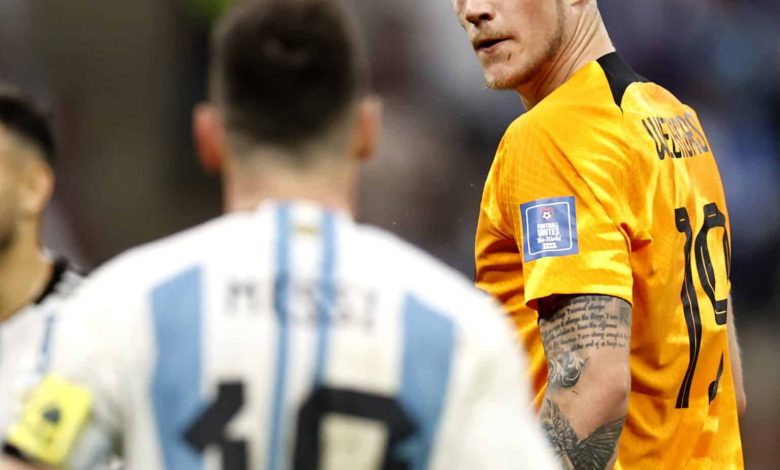
When we look back at the 2022 FIFA World Cup, the montage of glory usually ends with Lionel Messi kissing the golden trophy. But the soundtrack of that tournament wasn’t a song. It wasn’t a cheer. It was a grumpy, slightly archaic insult muttered in a post-match tunnel: “¿Qué miras, bobo? Andá pa’ allá.” (“What are you looking at, fool? Get over there.”)
Today, we mark the anniversary of the moment the “God of Football” became human, and why that specific flash of anger was the final ingredient Argentina needed to conquer the world.
The Context: A War, Not a Match
To understand the quote, you have to respect the battlefield. The Quarter-Final against the Netherlands wasn’t played; it was fought. Louis van Gaal, the Dutch manager, had spent the week questioning Messi’s work rate. The game itself was a pressure cooker of tactical fouls, last-minute equalizers, and penalty shootout heart attacks.
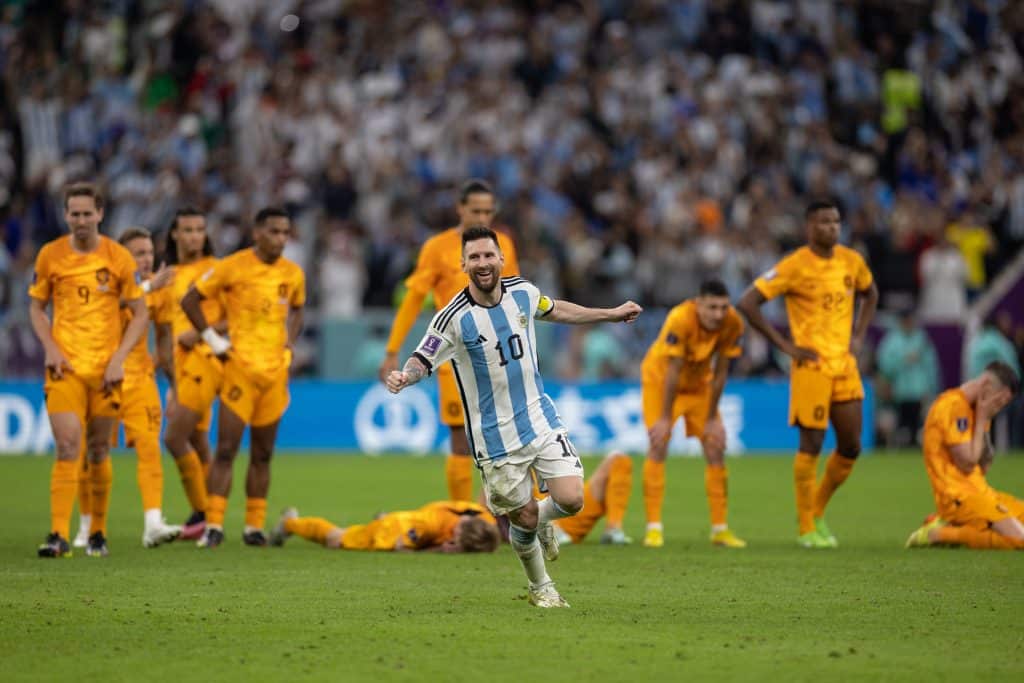
When the dust settled, Messi wasn’t just exhausted; he was furious.
Usually, Messi is the diplomat. He is the quiet genius who speaks with his feet. But on that night, faced with Dutch striker Wout Weghorst looming in the mixed zone, the diplomat vanished. In his place stood a street fighter from Rosario.
The Maradona Effect
For decades, the only criticism leveled at Messi by his own countrymen was that he was too European, too polite. He lacked the chaotic, rebellious fire of Diego Maradona.
On December 9, 2022, that ghost was exorcised.
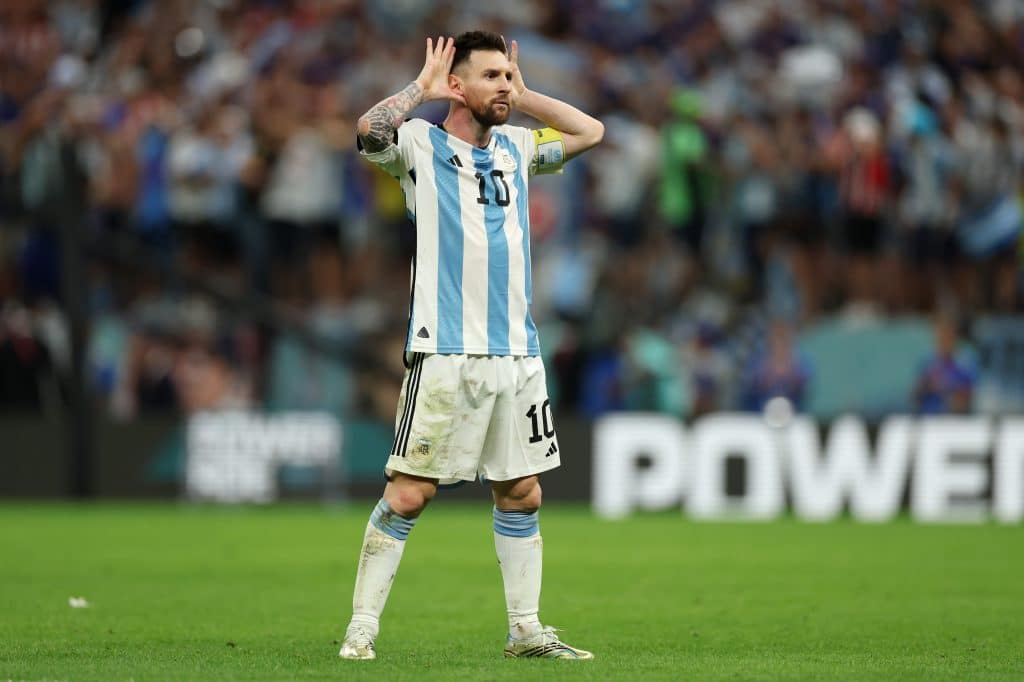
The phrase itself—“¿Qué miras, bobo?”—is deceptively simple. It isn’t a vulgar curse. It’s almost playground slang, something a grandmother might say. But delivered with that level of venom, live on national television, it became iconic. It was the moment Messi signaled to the world—and to his teammates—that they were no longer just playing a game. They were going to war, and he was leading the charge.
From Tunnel to T-Shirt: A Cultural Phenomenon
In the age of the internet, the reaction was instantaneous. Within hours, the clip had been remixed into techno songs, printed on mugs, and tattooed on calves across Buenos Aires.
Pop culture seized the moment not because it was funny (though Weghorst’s confused face was objectively funny), but because it was authentic. In a PR-managed world of athletes reading from teleprompters, here was raw, unfiltered emotion. It bridged the gap between the unattainable deity and the passionate fan on the sofa.
The Legacy of the “Bobo”
Three years on, the meme endures. You still see the caps in the stands. You still hear the audio used on TikToks whenever someone is staring a little too long.
But historically, it represents the turning point. After that night, Argentina didn’t lose again. They carried that defiant, “us against the world” energy all the way to the final against France.
So, here’s to the 9th of December. The day Lionel Messi stopped being just a player and became a legend with an edge. He told a Dutchman to “go over there,” and then he went and brought the World Cup home.