What does Manchester United’s season look like in a post-Ruben Amorim era?


Manchester United’s post Ruben Amorim season is, in the kindest possible terms, a choose your own adventure book where half the pages are missing and the other half smell faintly of January panic.
But that’s also the opportunity. Starting literally tomorrow against Brighton in the FA Cup, United get to reintroduce themselves to their own season: what it’s for, who it’s for, and which version of United is going to turn up between now and May.
Amorim is gone, Darren Fletcher is steering the ship on an interim basis, and the club is already living in two timelines at once: a short-term scrap for points and momentum, and a longer-term hunt for a permanent manager to reset the project properly in the summer.
United’s league position makes the rest of this campaign feel less like a funeral and more like a messy redemption arc. They’re right in the European traffic. Not glorious, but very much alive.
🎢 Since Sir Alex Ferguson retired, Manchester United have sacked their TENTH manager: Rúben Amorim.
— 365Scores (@365Scores) January 5, 2026
A decade of change, chaos, and constant turnover at Old Trafford. 🔴😬 pic.twitter.com/TRzek2tvQN
Manchester United: the agenda
The immediate vibe: a caretaker, two matches, and a club trying to exhale
The most revealing battle in Manchester United’s caretaker period isn’t happening on the touchline. It’s happening in the club’s instincts.
Darren Fletcher is holding things together, but the bigger question is who United want to lean towards if this interim phase stretches on: Ole Gunnar Solskjær or Michael Carrick.
Solskjær represents emotional familiarity. He knows the club’s pressure points, speaks its language, and has a proven ability to steady a fractured dressing room. Turning back to him would be less about tactics and more about mood. Restore belief, simplify the message, and trust that confidence will lift performances. The risk is obvious. Nostalgia comes with baggage, and every result would be judged through the lens of the past.
Carrick offers the opposite appeal. Calm, modern, and structurally minded, he represents control rather than catharsis. His football logic is about clarity, shape, and reducing chaos rather than riding emotional waves. Choosing him would signal a desire to use the remainder of the season as a bridge to the future, not a comfort blanket.
🔴 Ole Gunnar Solskjaer is keen to RETURN to Manchester United – at least as interim manager until the summer!
— 365Scores (@365Scores) January 6, 2026
Could the beloved former boss make an emotional comeback to steady the ship at Old Trafford? 🤔 pic.twitter.com/vkJGPSYLIH
Tomorrow against Brighton: the new page game that actually counts
FA Cup third round games have a special energy at big clubs. Everyone agrees they matter, but the calendar rarely lets you treat them like a season-defining moment. This one might be different.
Manchester United are treating the FA Cup as their clearest route to silverware, particularly with other competitions already gone. Brighton, meanwhile, are not an obliging guest. They travel well, they’re tactically organised, and they have recent reasons to believe at Old Trafford.
This is why the tie feels heavier than usual:
- Old Trafford wants a mood shift. Not a manifesto. Just a team that looks like it knows what it is.
- Selection is loaded with subplots. Returns from injury, players needing minutes, and questions about trust all collide at once.
- It’s a one-off. The league allows for some learning curves. The FA Cup does not.
The league run-in: Manchester United are in the pack, which is both good news and a trap
United’s league situation is the definition of being one weekend away from optimism and one weekend away from fumes.
They’re in the thick of the European chase, surrounded by clubs who are equally inconsistent and equally capable of putting together a run. The margins are thin enough that a short winning streak could completely reframe the conversation.
The challenge is not perfection. It’s professionalism.
That means:
- Stop donating goals to bad moments. Leads need to become wins.
- Get serious at home. Old Trafford needs to feel like a points bank again.
- Simplify the football. Not regress, but clarify. Know what you are trying to do when you lose the ball.
Ironically, the post-Amorim phase might actually help league form in the short term. Caretaker football often strips things back to fundamentals. The danger is that once opponents work you out, the lack of deeper structure is exposed.
The permanent manager hunt: the season is also an audition
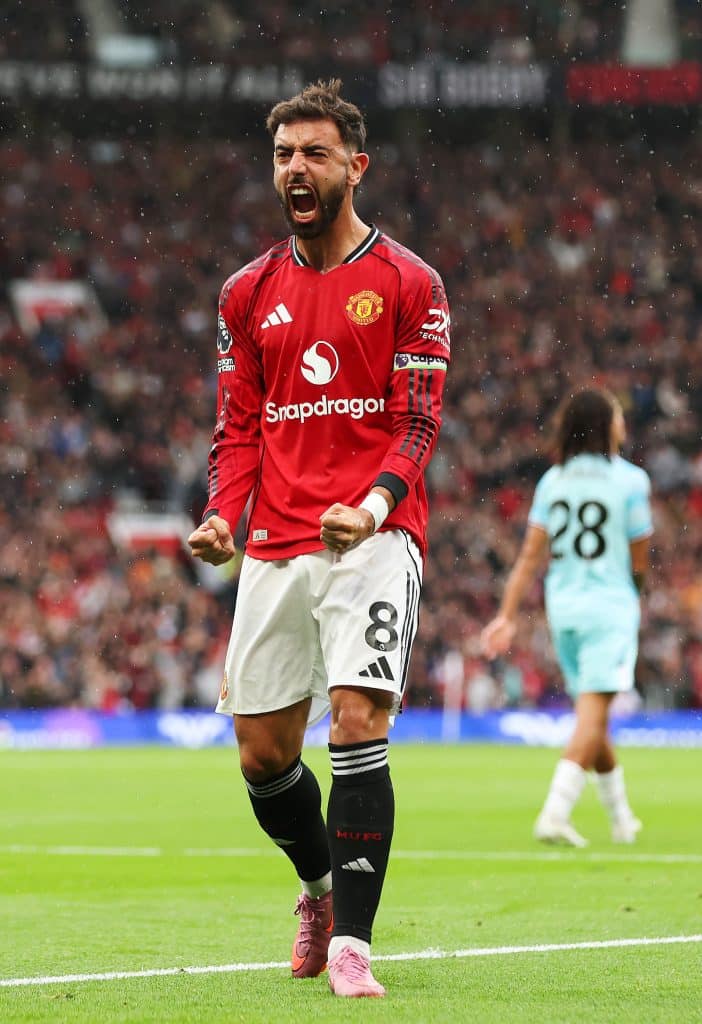
The search for a permanent manager is already shaping the rest of United’s season, even if no appointment is imminent. This isn’t just about finding the “best” coach on the market. It’s about deciding which version of Manchester United the club is ready to commit to.
A few profiles keep surfacing:
Zinedine Zidane remains the glamour option. His appeal is obvious: instant authority, elite dressing-room control, and a track record of managing stars under enormous pressure. Appointing Zidane would be a statement that United believe their problems are less about systems and more about leadership at the very top. The question is whether his pragmatic, tournament-focused style aligns with a squad that still needs structural rebuilding.
Gareth Southgate sits at the opposite end of the spectrum. He offers culture, cohesion, and long-term squad building rather than immediate spectacle. Southgate’s strengths are in environment creation and trust. At club level, the challenge would be intensity. United would be betting that stability and unity can outperform tactical innovation.
Oliver Glasner of Crystal Palace represents the football-first choice. Progressive, demanding, and tactically assertive, he would bring a clear identity and a commitment to possession-based control. The upside is coherence. The risk is exposure and cost. Glasner’s methods are unforgiving, and Old Trafford is not a patient classroom.
What unites all these candidates is that none of them can be judged purely on results between now and May. The final months of this season are about alignment. Squad decisions, tactical preferences, and even the handling of setbacks are quietly laying the groundwork for whichever direction United choose. By the time the appointment is made, the club will already have shown what kind of future it wants.
The World Cup subplot: personal stakes sharpen everything
A World Cup year changes dressing rooms, even when clubs insist it doesn’t.
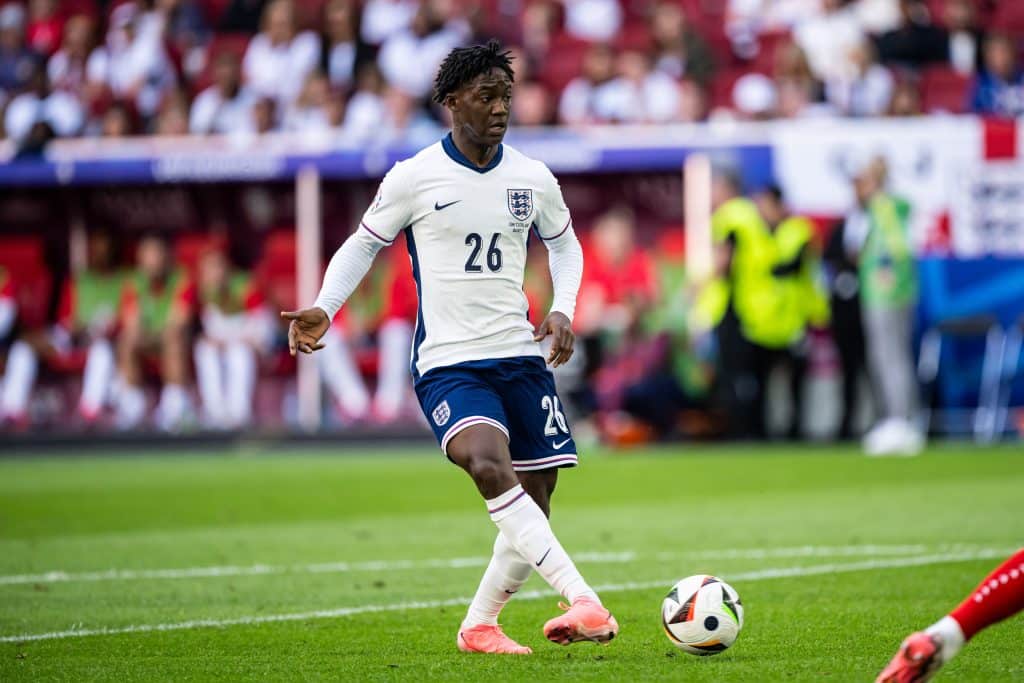
For players like Mason Mount, Kobbie Mainoo, Matthijs de Ligt, and Joshua Zirkzee, the rest of this season is about more than club football. It’s about being trusted when international managers make their final calls.
- Mount needs availability and influence. Consistent minutes flip the narrative fast.
- Mainoo needs authority. He’s already shown he belongs. Now it’s about controlling games.
- De Ligt needs rhythm and reliability. Central defenders live on trust.
- Zirkzee needs output. Goals and assists always speak loudest in spring.
If Manchester United can channel that edge without turning it selfish, it becomes fuel. A squad full of World Cup ambition should be dangerous. The key is alignment.
The FA Cup: United’s clearest shot at meaning
The FA Cup has quietly become Manchester United’s most reliable source of joy in recent seasons.
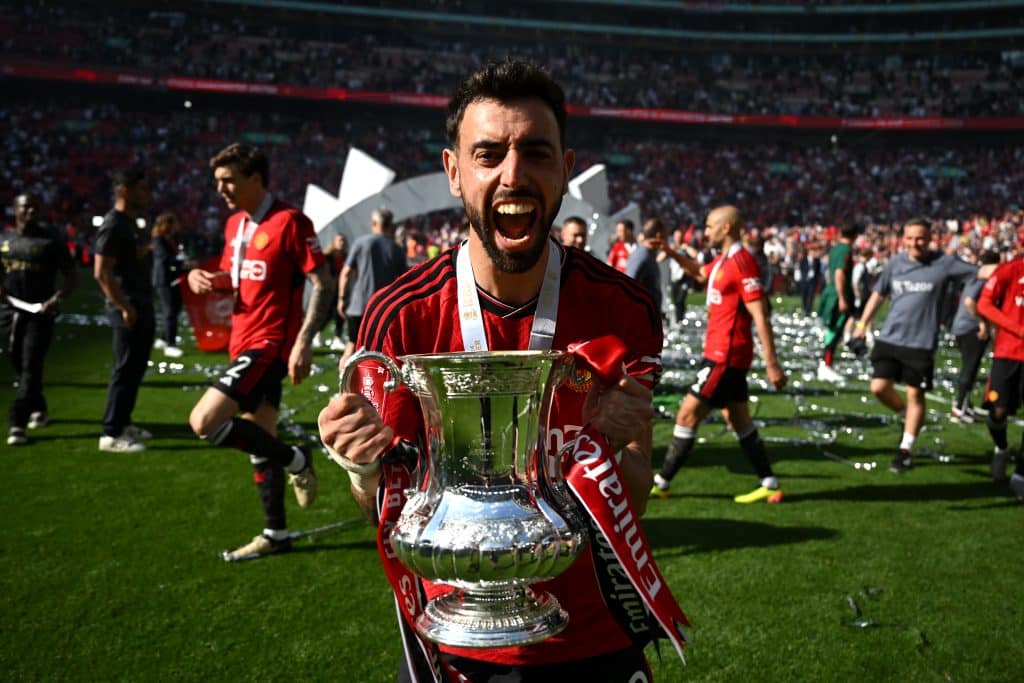
A final appearance in 2023. A trophy in 2024. Those memories matter. Cup football runs on belief as much as tactics, and United know how to navigate this competition when momentum builds.
This season, the framing is simple. With other routes blocked, the FA Cup can define the year.
Cup runs are built on two things:
- Surviving ugly rounds when you’re not at your best
- Having enough firepower to avoid endless drama
Beat Brighton, and the path looks plausible. Combine that with a steady league run, and suddenly the season has shape.
What success looks like from here
Manchester United do not need miracles. They need direction.
A successful remainder of the season would look like:
- A serious FA Cup run, deep enough to matter
- A late league surge that keeps European qualification alive into April
- Clear answers on squad building, with players staking undeniable claims
- A coherent managerial plan heading into the summer
The alternative is drift. Early cup exit. Mid-table stagnation. Endless debates about individuals rather than progress.
United have lived that story before. Turning the page only matters if the next chapter is actually different.
FAQs
Is Darren Fletcher the permanent Manchester United manager?
No. He is in interim charge while the club works towards a permanent appointment.
Why is the Brighton match such a big deal for Manchester United?
It’s United’s first proper chance to reset the season and their clearest route to silverware.
Are Manchester United still in the Champions League race?
Yes. They are in the mix, though margins are tight and consistency is essential.
Why does the World Cup matter this season for Manchester United?
Because individual motivation increases, selection pressure rises, and form carries extra weight.
What defines success from here for Manchester United?
Clarity, competitiveness, and momentum. Silverware would be a bonus, not a requirement.
By Nicky Helfgott – NickyHelfgott1 on X (Twitter)
Keep up with all the latest football news and Premier League news on 365Scores!