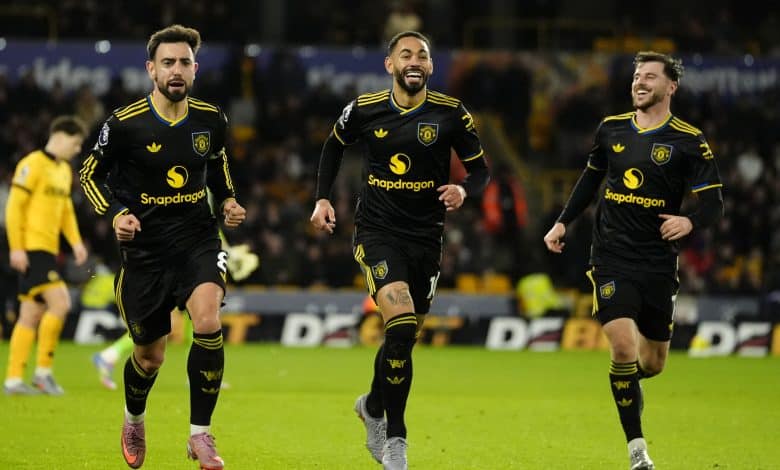
Boxing Day football is usually a full-tilt Premier League feast. Ten games, nonstop goals, and that familiar festive chaos where tired legs create wild moments. This year, though, the tradition looks different.
For Boxing Day 2025 (Friday, December 26), the Premier League has scheduled just one match, Man United vs Newcastle. It is an unusual reduction driven by calendar congestion and the modern scheduling squeeze.
So instead of a packed December 26, the league’s Boxing Day weekend becomes a three-day rolling event. One headline game Friday night, then the bulk of the round spread across Saturday, December 27 and Sunday, December 28.
And even with fewer fixtures on the day itself, the weekend still carries the same Premier League truth. This is where seasons bend. Title races tighten, top-four battles get messy, and relegation pressure starts to feel real.
Table of Contents
The Schedule: Boxing Day Weekend Fixtures (Dec 26 to 28)
Friday 26 December
| Kickoff (GMT) | Match |
|---|---|
| 20:00 | Man United vs Newcastle |
Saturday 27 December
| Kickoff (GMT) | Match |
|---|---|
| 12:30 | Nottingham Forest vs Man City |
| 15:00 | Arsenal vs Brighton |
| 15:00 | Brentford vs Bournemouth |
| 15:00 | Burnley vs Everton |
| 15:00 | Liverpool vs Wolves |
| 15:00 | West Ham vs Fulham |
| 17:30 | Chelsea vs Aston Villa |
Sunday 28 December
| Kickoff (GMT) | Match |
|---|---|
| 14:00 | Sunderland vs Leeds |
| 16:30 | Crystal Palace vs Spurs |
The History and Meaning of Boxing Day in the Premier League
Boxing Day football is woven into the identity of the Premier League. Long before the league’s modern global reach, English football treated December 26 as a sacred matchday. The tradition dates back to the late 19th century, when local derby fixtures were played on Boxing Day to maximise attendance while workers were off. That sense of accessibility and chaos still defines the day.
When the Premier League was formed in 1992, Boxing Day quickly became one of its signature events. Full fixture lists, packed stadiums, and relentless scheduling created a uniquely English spectacle that stood apart from the winter breaks seen across Europe.
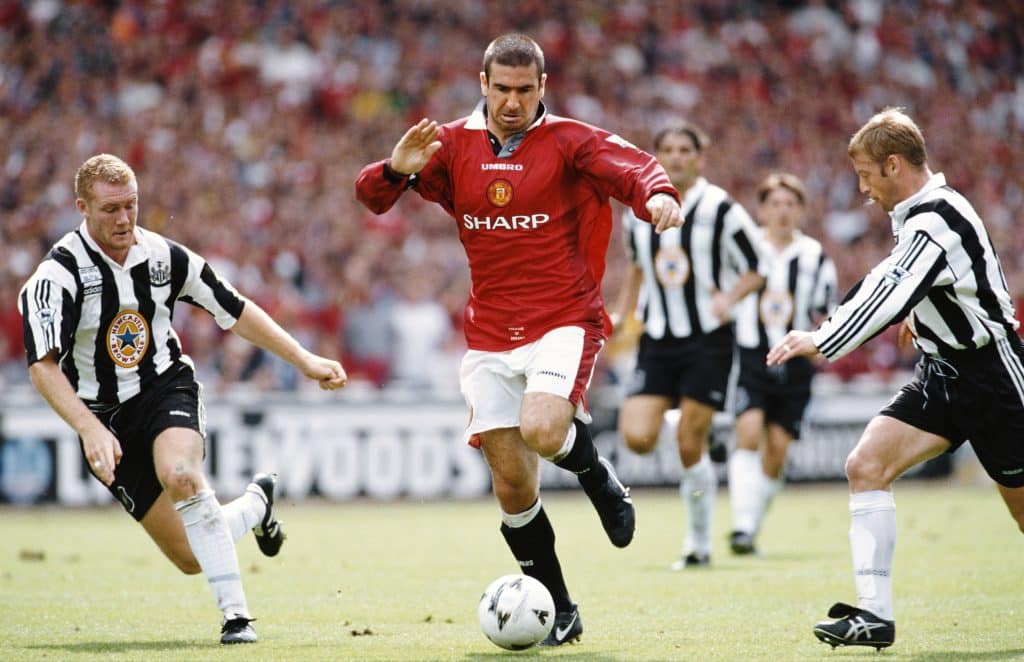
Boxing Day in the Premier League has always been a shortcut to madness. It has produced iconic comebacks like the league’s first Boxing Day in 1992, when Sheffield Wednesday led Manchester United 3 to 0 before United roared back, with Brian McClair’s brace and Eric Cantona’s late equaliser turning it into a 3-3 classic. It has delivered famous shocks too, like Coventry beating Arsenal 3 to 2 in 1999, and it has been a stage for stars to announce themselves, like Thierry Henry scoring his first Premier League hat-trick in Arsenal’s 6-1 win over Leicester in 2000.
Then comes the pure chaos tier: Chelsea 4-4 Aston Villa in 2007, a game with eight goals plus late drama that still gets referenced whenever people describe “peak Boxing Day, and the infamous Phil Brown on-pitch half-time team talk in 2008 that became part of Premier League folklore.
More recently, Boxing Day has kept producing moments that feel instantly historic. Manchester United edged a seven-goal thriller against Newcastle in 2012 in Sir Alex Ferguson’s final Boxing Day match, with Javier Hernandez scoring a late winner. Wayne Rooney hit a landmark Boxing Day volley at Hull in 2013 as United completed another comeback, while Manchester City beat Liverpool the same day in a result that later looked massive in the 2013 to 14 title race.
There have been modern “did that really just happen” goals like Henrikh Mkhitaryan’s scorpion kick in 2016 and Cuco Martina’s long-range beauty for Southampton against Arsenal in 2015. There have been goal-fests too, like the reduced 2021 Boxing Day slate still producing 28 goals across seven matches, including Man City 6-3 Leicester. And for pure narrative, it is hard to top Chris Wood returning to St James’ Park on December 26, 2023 and scoring a hat-trick against Newcastle, a Boxing Day memory that instantly etched itself into history.
Even the individual records fit the day’s mythology, with Harry Kane topping Boxing Day scoring charts in Premier League history, and the Premier League noting his standout Boxing Day scoring streak and efficiency.
Previews
Friday 26 December
Manchester United vs Newcastle (20:00 GMT)
The only Premier League game actually on Boxing Day this year is a standalone spotlight match at Old Trafford. Newcastle come in after blowing a 2–0 lead to draw 2–2 with Chelsea, and they have now gone 10 straight league matches without a clean sheet, which is the kind of trend that can explode on a festive night. United will want to turn the festive narrative into a statement night at Old Trafford.
Saturday 27 December
Nottingham Forest vs Manchester City (12:30 GMT)
City arrive as Arsenal’s closest challengers and have been piling on goals, led by Haaland’s scoring run and leading the league with 19 goals. Forest’s route to an upset is making it messy and turning it into a transition game, because City’s rhythm usually wins when matches stay controlled.
Arsenal vs Brighton (15:00 GMT)
Arsenal head into the weekend at the top of the table and will see this as a must-win to keep pressure off. Brighton can frustrate teams, so Arsenal’s challenge is patience plus intensity, especially if it stays tight into the second half.
Brentford vs Bournemouth (15:00 GMT)
Brentford have shown they can handle this gritty part of the season, while Bournemouth have already proven they can scrap for points against awkward opponents. Expect a physical game where set pieces and second balls will play a significant role in the outcome.
Burnley vs Everton (15:00 GMT)
This feels like a classic festive six-pointer, even if it is not labelled that yet. Burnley have recently shown fight to stop losing streaks, and Everton have the kind of away-game stubbornness that can make this tense and low margin.
Liverpool vs Wolves (15:00 GMT)
Liverpool is pushing up the table, but injuries and rotation are starting to take a toll, so this is about getting the job done without giving Wolves hope. Wolves, meanwhile, come in with a rough run and badly need a performance that restores belief.
West Ham vs Fulham (15:00 GMT)
West Ham are under pressure near the bottom and need to pick up points quickly, especially after recent struggles. Fulham can punish teams who lose control, so West Ham’s focus is staying compact and avoiding the kind of early concession that turns the crowd edgy.
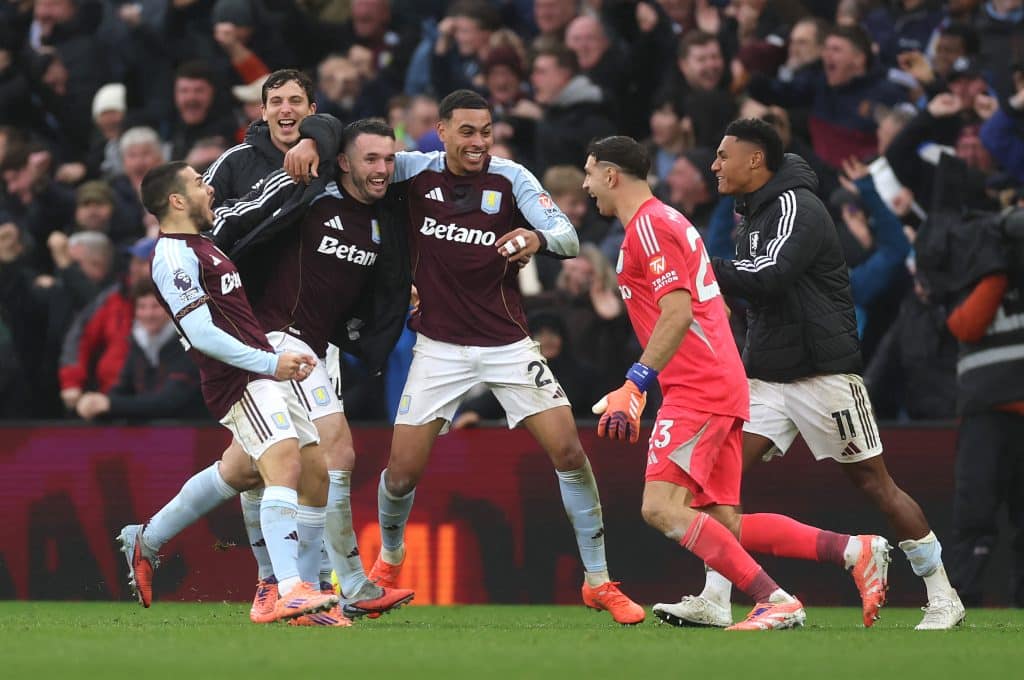
Chelsea vs Aston Villa (17:30 GMT)
Villa have been one of the strongest teams in the league so far and arrive firmly in the top-four picture. Chelsea have drawn big games recently and will want this to be the day they turn a performance into a signature win.
Sunday 28 December
Sunderland vs Leeds (14:00 GMT)
A big mood game for both sides. Sunderland have shown they can grind out results, and Leeds have had signs of life recently, so this has the feel of a match that swings on the first goal and the crowd’s energy.
Crystal Palace vs Spurs (16:30 GMT)
Spurs games can flip fast, which makes a festive away trip dangerous if focus drops. Palace will fancy this if they can keep it close and make it a second-half battle, because Boxing Day weekend football often rewards the team that stays sharper late.
Arsenal top at Christmas going into Boxing Day, and what happened next
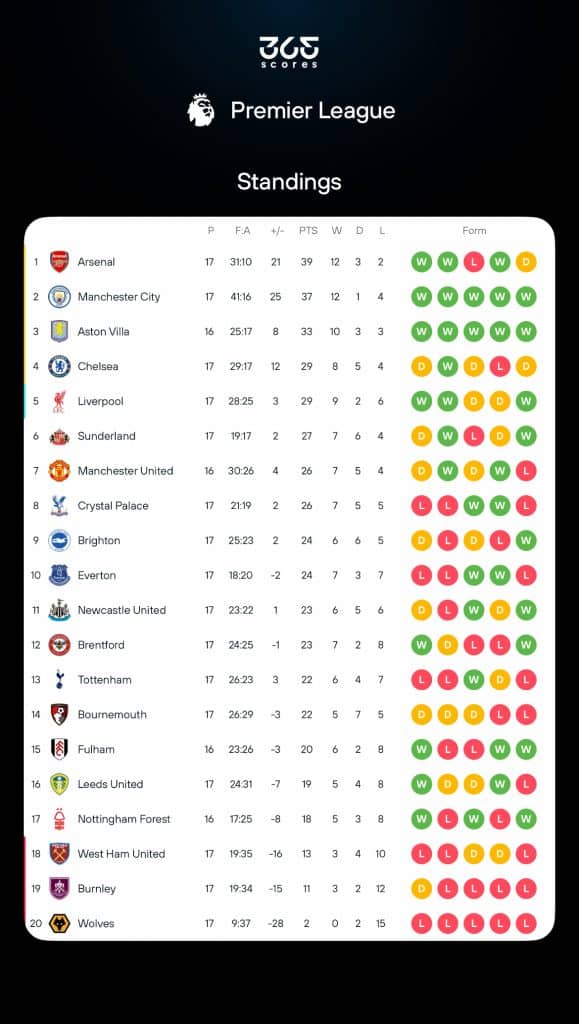
When Arsenal arrive at Boxing Day sitting top of the Premier League, it usually feels like the season is opening up in front of them. Historically, though, that position has been less a guarantee of a title and more a spotlight that reveals how hard the second half of the campaign will be. The Premier League’s own numbers underline the pattern: Arsenal have been top at Christmas multiple times in the Premier League era, and they have never gone on to win the league in a season where they led the table on December 25.
The most painful example is from 2007-08. Arsenal were top at Christmas and looked on track for a genuine title run, but their form dipped after February, and they ultimately finished third, with Manchester United winning the league. In 2002-03, Arsenal again led at Christmas, stayed in the race deep into spring, but finished second behind Manchester United.
The modern versions have been even fresher in people’s minds. In 2022-23, Arsenal were top at Christmas and carried that belief for months, only to be caught by Manchester City late, finishing second. Then, in 2023-24, Arsenal were again top at Christmas and again finished second, another season where they were close enough to dream but not close enough to finish it off.
So when Arsenal enter Boxing Day at the summit, history frames it as a challenge rather than a celebration. The league table might say “front-runner,” but Arsenal’s record says the real test starts now, when depth, injuries, and the pressure of being chased begin to shape every week after Christmas.
So that is the question hanging over this Boxing Day weekend. Arsenal are top again. They have been close enough often enough to feel the weight of it. Can they finally do it this year?
Bottom Line
Boxing Day might only have one Premier League match this year, but the weekend still carries the same festive power. It is the point in the season where the table starts to harden, where momentum can explode, and where one result can feel like a month’s worth of impact. The history tells us the chaos is never far away, the schedule gives us several pressure fixtures, and Arsenal’s familiar Christmas lead adds the biggest storyline of all. They have been here before, they have fallen short before, and now they are top again. By Sunday night, the league will not be decided, but the direction of the season might be.