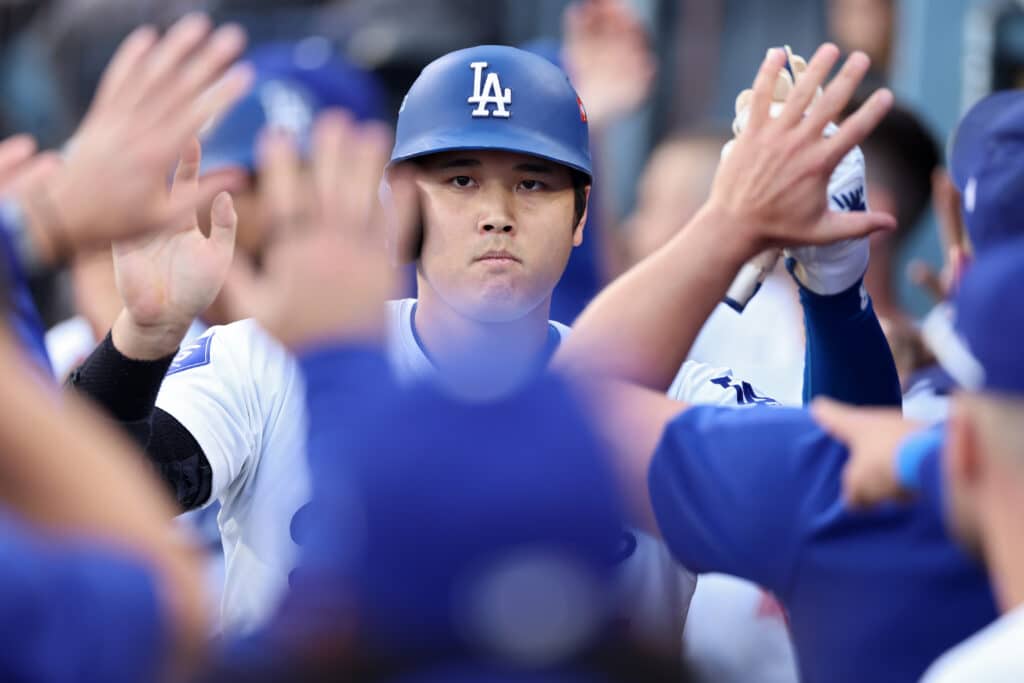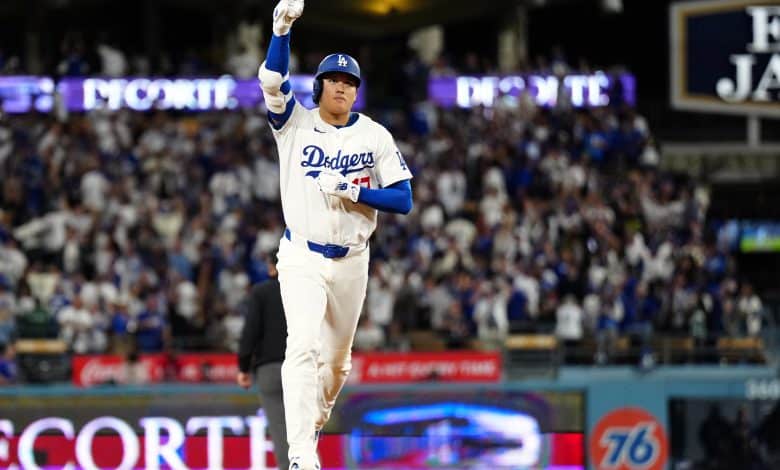
It’s a phrase often thrown around in the heat of the moment, a prisoner to hyperbole: “the greatest game ever played.” But after Shohei Ohtani’s performance to clinch the National League Championship Series for the Los Angeles Dodgers, the sports world is collectively asking: Was that it? Was that the single greatest individual performance in the history of team sports?
On Friday night, with a trip to the World Series on the line, Ohtani didn’t just play a baseball game; he conquered it. On the mound, he was a maestro of dominance, pitching six-plus shutout innings while striking out 10 batters. At the plate, he was a force of nature, launching three colossal home runs. He became the first player in MLB history to hit three homers and strike out 10 batters in the same game. It was a performance so complete, so utterly dominant on both sides of the ball, that it defies simple statistics. Dodgers manager Dave Roberts called it “probably the greatest postseason performance of all time.” He may be right.

To truly grasp the magnitude of what Ohtani accomplished, we must place it in the context of other legendary, single-game athletic feats that have transcended their respective sports. These are the moments that are not just remembered, but etched into the very fabric of sports history.
The NBA: Where Gods Walk the Hardwood
In the annals of basketball, two performances often stand out for their sheer audacity and context.
The first is Wilt Chamberlain’s 100-point game in 1962. Playing for the Philadelphia Warriors, the gargantuan center achieved a statistical Everest that has never been approached since. He played all 48 minutes, took 63 shots, and made 28 free throws en route to scoring 100 points in a 169-147 victory. It was a display of physical dominance so absolute that it almost seems mythical, a number that feels more like a typo than a box score entry.
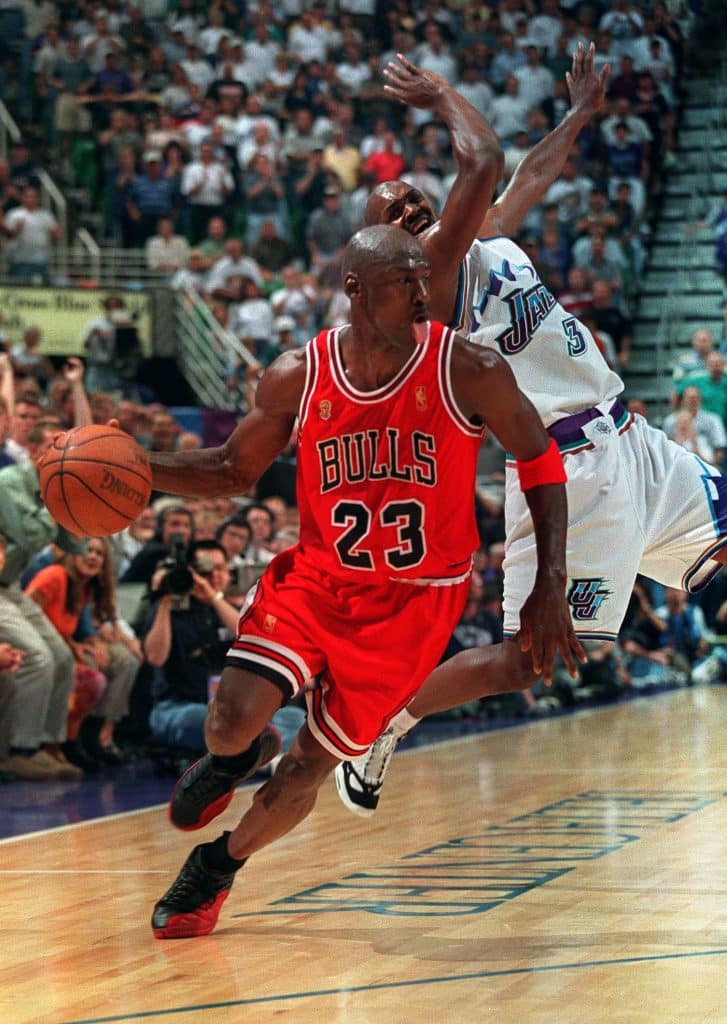
Decades later, Michael Jordan‘s “Flu Game” offered a different kind of legend. In Game 5 of the 1997 NBA Finals, suffering from what was later revealed to be food poisoning, a visibly ill and weakened Jordan willed the Chicago Bulls to victory. He played 44 grueling minutes, scoring 38 points, grabbing 7 rebounds, and hitting the game-clinching three-pointer with 25 seconds left. This performance wasn’t about statistical absurdity, but about unparalleled willpower and clutch performance on the biggest stage, under the most adverse conditions.
Soccer: The Global Stage for Genius
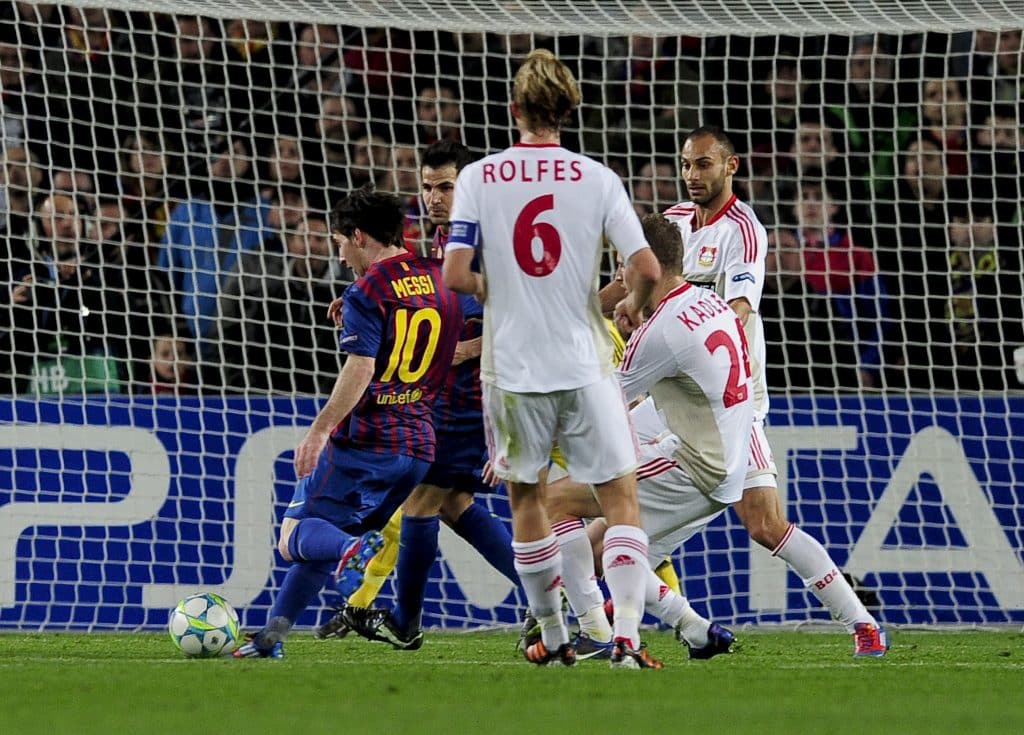
On the world’s biggest sporting stage, soccer, transcendent moments often come from the feet of its most brilliant artists. In 2012, Lionel Messi delivered a performance that left the sporting world in awe. Playing for FC Barcelona in a UEFA Champions League knockout match, the Argentine genius became the first player in the competition’s history to score five goals in a single game. It was a masterclass of finishing, creativity, and utter control, a display of one man’s ability to bend a game to his will against elite competition.
The Verdict: Where Does Ohtani Rank?
So, how does Ohtani’s two-way masterpiece compare?
Wilt’s 100 points represent a singular offensive explosion. Jordan’s Flu Game is the epitome of grit and clutch play. Messi’s five goals showcase individual brilliance in the world’s most popular sport.
What sets Ohtani’s performance apart is its profound uniqueness. In an era of specialization, he achieved world-class excellence in two completely different facets of the game, simultaneously, in a high-stakes elimination context. It’s the equivalent of a quarterback throwing for five touchdowns while also recording two sacks and an interception on defense. It is, in essence, a combination of Wilt’s overwhelming dominance and Jordan’s contextual greatness.
While it is impossible to definitively name one performance as the “greatest,” Shohei Ohtani’s historic night has unequivocally earned its place on the Mount Rushmore of individual sporting achievements. It wasn’t just a great game; it was a paradigm-shifting event that challenges our very understanding of what is possible for a single athlete to accomplish. It was, quite simply, The Ohtani Game.