The Last Titans: Ronaldo, Messi, and Modrić and the Impossible 20-Year World Cup Saga

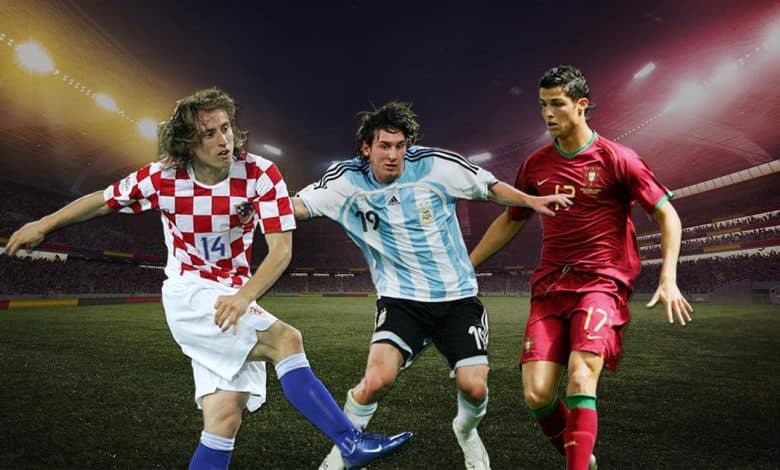
Yesterday, in a resounding 9-1 victory over Armenia, Portugal stamped their ticket to the 2026 FIFA World Cup. The win was decisive, a powerful statement from a team brimming with talent. But its most profound implication resonated from the sidelines.
Cristiano Ronaldo, absent due to suspension, was officially guaranteed a chance to play in a record-breaking sixth World Cup.
This qualification is not just another milestone for Ronaldo. It is the final piece of a puzzle that has been 20 years in the making. It all but ensures that three men—Cristiano Ronaldo, Lionel Messi, and Luka Modrić—will complete a journey that seems to defy the laws of modern football: competing in the planet’s biggest tournament two full decades after their first.
To understand how staggering this is, we must go back to the 2006 FIFA World Cup in Germany.
Germany 2006: The Prelude
The world was a different place. The iPhone had not been released. Zinedine Zidane was still playing. And three young talents, far from the global icons they would become, made their World Cup debuts.
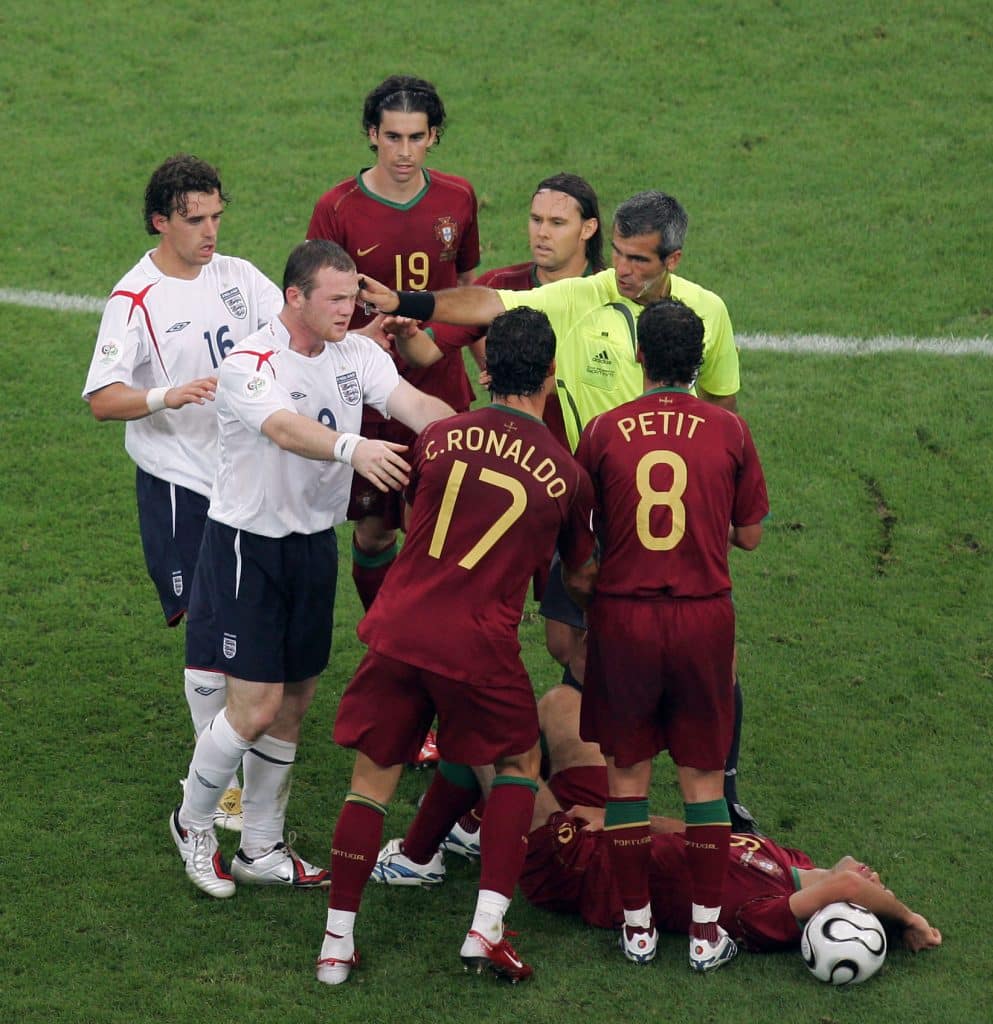
- Cristiano Ronaldo (Age 21): A flashy, dazzling winger for Manchester United, he was a key part of a strong Portugal side that reached the semi-finals. He was a player of immense promise but was also criticized for his showmanship, epitomized by the infamous “wink” during a clash with his club teammate, Wayne Rooney.
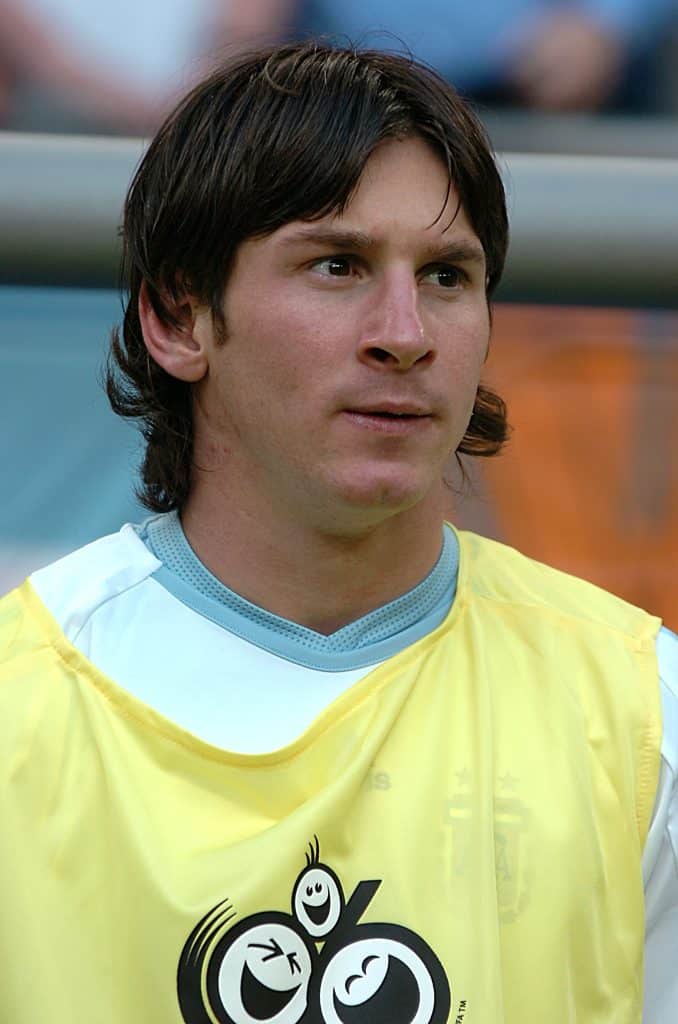
- Lionel Messi (Age 18): A prodigious talent with a distinctive mullet, he was the youngest player in Argentina‘s squad. He became his country’s youngest-ever World Cup goalscorer in a 6-0 rout of Serbia and Montenegro. Yet, in a decision that would become a footnote of infamy, he was left on the bench as an unused substitute when Argentina was eliminated by Germany in the quarter-finals.
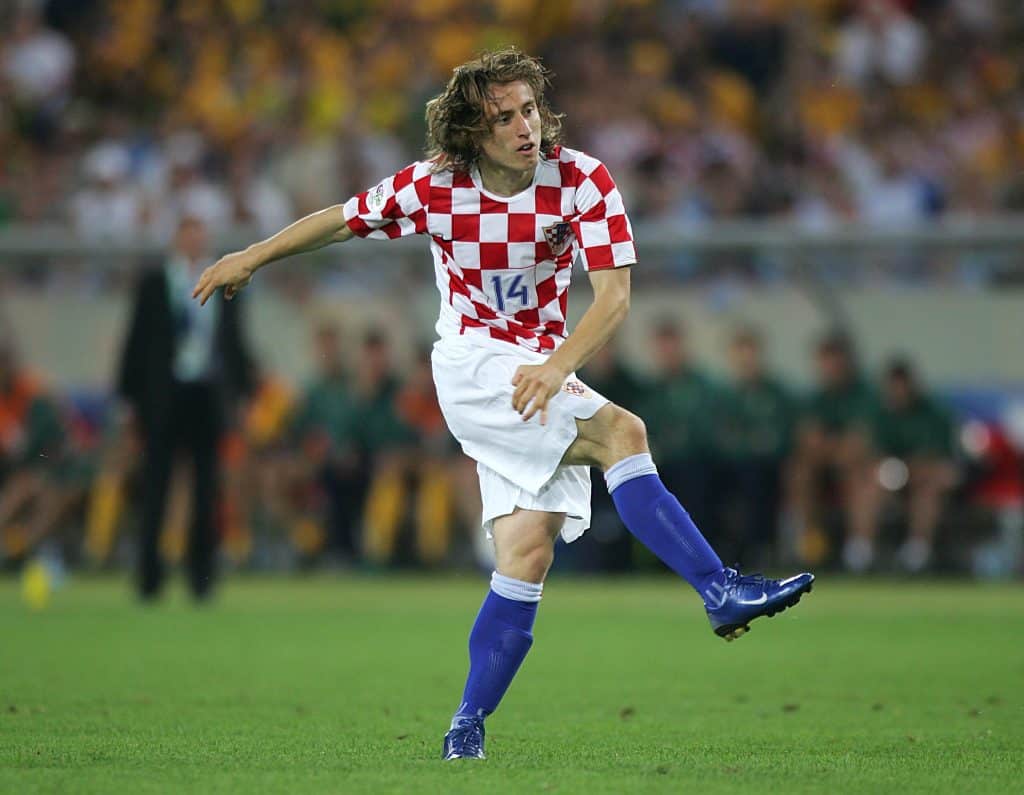
- Luka Modrić (Age 20): The slightest of the three, Modrić was a gifted but unheralded midfielder for Dinamo Zagreb. He was a fringe player for Croatia, making two brief substitute appearances as his team bowed out in the group stage.
They were boys with potential, footnotes in a tournament dominated by established legends like Zidane, Ronaldo Nazário, and Fabio Cannavaro. No one could have predicted that these three, from that specific class, would go on to define the next era of football.
The Two-Decade Reign
It is one thing to have longevity. It is another to have dominance.
The 20 years between 2006 and 2026 were not just a period where Ronaldo, Messi, and Modrić played. It was the era they ruled.
Between them, they have amassed:
- 16 Ballon d’Or awards
- 16 UEFA Champions League titles
- A UEFA European Championship (Ronaldo)
- 2 Copa América (Messi)
- A World Cup (Messi)
- A World Cup Golden Ball (Messi, twice)
- A World Cup Golden Ball (Modrić)
They evolved from flashy prospects into the complete, generation-defining archetypes of their positions. Messi became the “perfect” player, a maestro of creation and finishing. Ronaldo transformed into the ultimate athlete and goal-scoring machine, the most prolific in the history of men’s international football. Modrić became the “eternal” metronome, the midfield brain who could dictate the tempo of any game, leading his tiny nation of Croatia to a World Cup final (2018) and semi-final (2022).
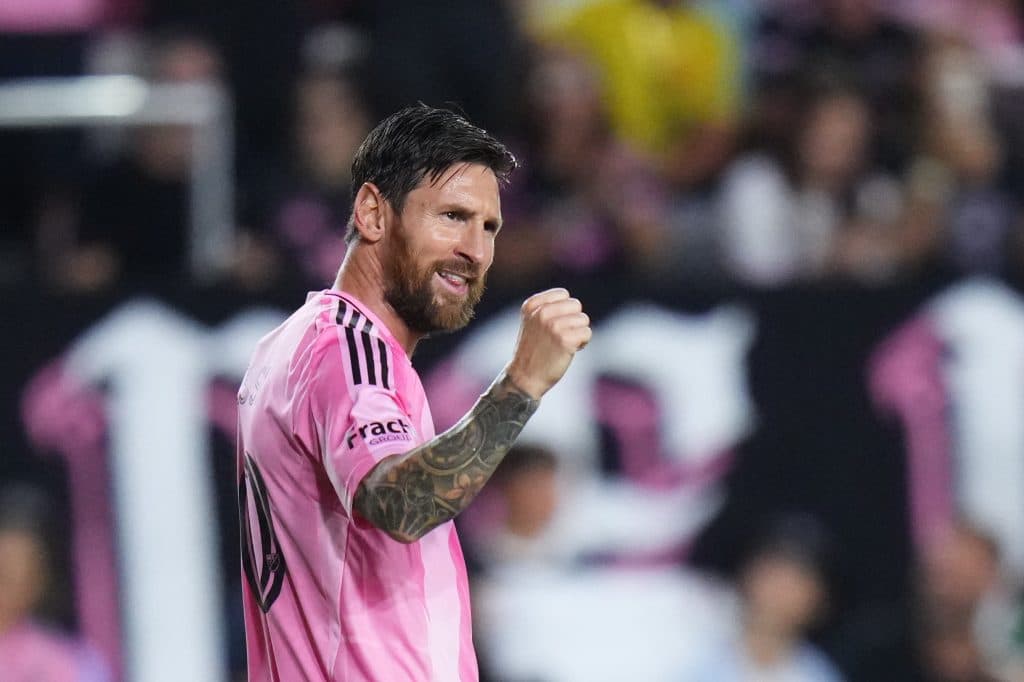
North America 2026: The Epilogue
Now, with Argentina, Croatia, and (as of yesterday) Portugal all qualified, the stage is set for their final act. They will not just be ceremonial participants; they will be captains and talismans.
- Cristiano Ronaldo will be 41 years old. He will be chasing the one, singular trophy that has eluded him, the only prize he needs to complete his collection. It will be his final, desperate, and dramatic pursuit of the World Cup.
- Lionel Messi will be 39 years old (turning 39 during the tournament). For him, the narrative is different. He is the reigning champion. He “completed football” in Qatar in 2022. The 2026 tournament will be a champion’s epilogue, a final tour as the undisputed king, playing with the freedom of a man who has nothing left to prove.
- Luka Modrić will be 40 years old (turning 41 later in 2026). The seemingly ageless conductor will lead his nation one last time, a testament to intelligence and technique over pace and power.
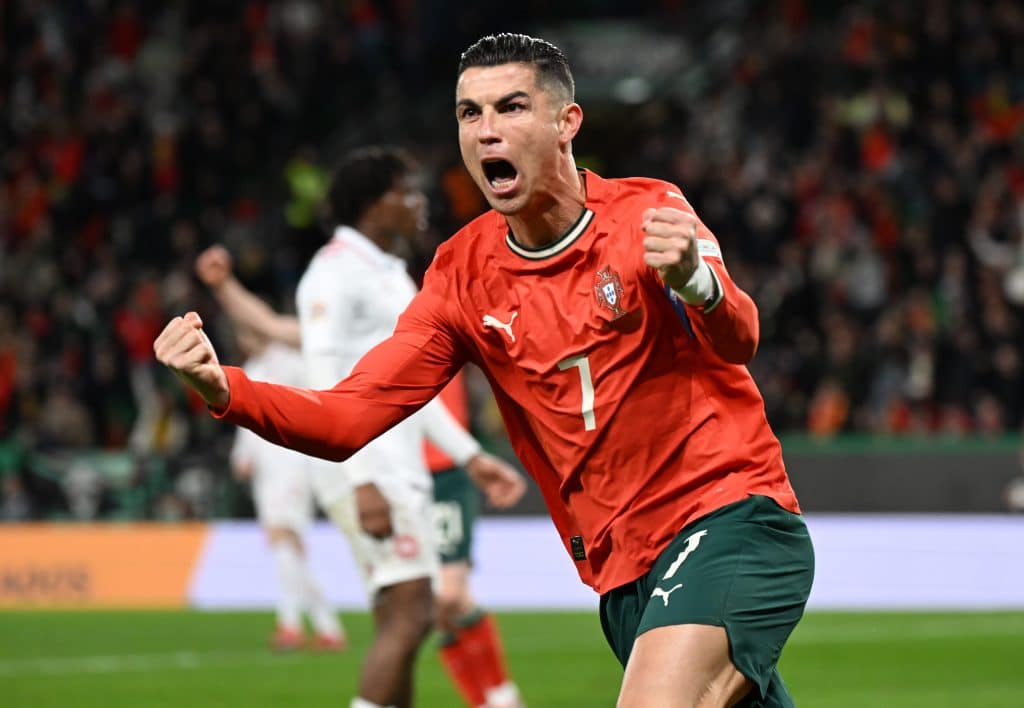
In a sport where careers are brutal and short, where a 10-year span at the top is considered legendary, these three have defied time itself. The 2026 World Cup in the United States, Canada, and Mexico will not just be a tournament. It will be the closing chapter of a 20-year story, a final, shared stage for the last titans of an unforgettable era.