Nine Months and Counting: The Road to FIFA World Cup 2026


With exactly nine months to go until the biggest sporting spectacle on the planet, the excitement for the FIFA World Cup 2026 is reaching a fever pitch. Set to be hosted across 16 cities in three North American nations – Canada, Mexico, and the United States – this edition promises to be the largest and most expansive in the tournament’s illustrious history.
The Preparations: A Monumental Undertaking
Organizing a World Cup is always a gargantuan task, but the 2026 edition presents unique challenges and opportunities due to its unprecedented scale.
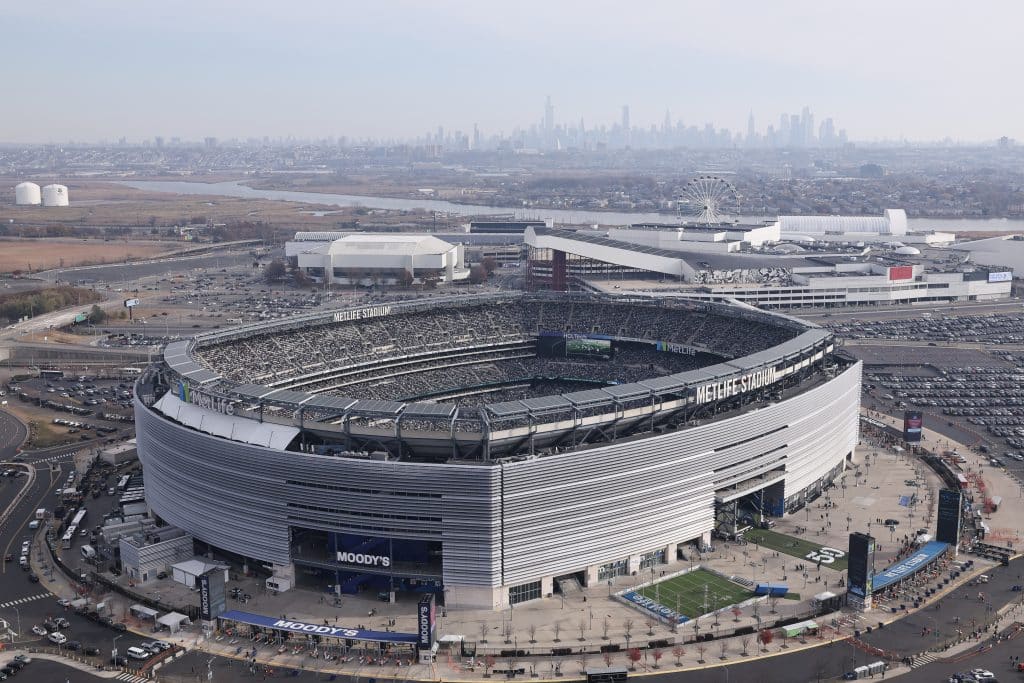
Infrastructure & Venues: The host cities are in the final stages of preparing their world-class stadiums and surrounding infrastructure. From state-of-the-art training facilities to upgraded transportation networks, every detail is being meticulously managed. Each city is working to ensure a seamless experience for the millions of fans expected to descend upon North America. Renovations and expansions have been ongoing, not just within the stadiums themselves, but also in public spaces, fan zones, and accommodation options.
Logistics & Travel: With matches spread across such a vast geographical area, logistics are paramount. Planning for team travel, fan movement between cities, and cross-border operations requires intricate coordination between the three host nations. The organizing committee is working closely with airlines, public transport authorities, and border agencies to streamline processes and ensure smooth transitions for everyone involved.
Security: Security remains a top priority for any major international event, and the World Cup is no exception. Comprehensive security plans are being finalized, involving collaboration between federal, state/provincial, and local law enforcement agencies across all three countries. The aim is to create a safe and secure environment for players, officials, and fans alike.

Sustainability Initiatives: FIFA and the host nations are committed to making the 2026 World Cup a more sustainable event. Efforts are focused on reducing the environmental footprint, promoting responsible resource consumption, and implementing green initiatives across all aspects of the tournament, from venue operations to waste management.
The Teams: Who’s Looking Strong?
While qualifying campaigns are still ongoing in many confederations, the footballing world is already buzzing with predictions and analyses of potential contenders.
Concacaf’s Home Advantage: As host nations, Canada, Mexico, and the United States automatically qualify. This gives them a unique opportunity to prepare on home soil and potentially ride a wave of local support. All three nations are actively fine-tuning their squads and strategies, playing numerous friendlies against top international competition to build cohesion and confidence.
European Powerhouses: Traditional giants like Brazil, Argentina, France, Germany, and Spain are always among the favorites. Their qualifying campaigns are closely watched, and coaches are using this period to experiment with tactics and integrate new talent. The depth of talent in European football, in particular, means there will be several strong contenders emerging from the continent.
Emerging Nations: The expanded 48-team format means more nations will have the chance to compete on the global stage. This presents an exciting opportunity for traditionally smaller footballing nations to make their mark and potentially spring some surprises. Keep an eye on teams that have been steadily improving and investing in their footballing infrastructure.

Expectations: A World Cup Like No Other
The 2026 FIFA World Cup is set to break numerous records and redefine the tournament experience.
Unprecedented Scale: With 48 teams and 104 matches, this will be the largest World Cup ever. This expansion promises more diverse matchups, more Cinderella stories, and even more exhilarating football.
Cultural Melting Pot: Hosted across three diverse nations, the tournament will be a vibrant celebration of cultures. Fans can expect to experience the unique hospitality and traditions of Canada, Mexico, and the United States, creating an unforgettable atmosphere.
Economic Impact: The World Cup is expected to generate significant economic benefits for the host regions, boosting tourism, creating jobs, and stimulating local economies. The influx of international visitors will provide a substantial boost to businesses across various sectors.
Legacy: Beyond the economic impact, the 2026 World Cup aims to leave a lasting legacy in terms of football development, infrastructure improvements, and enhanced international relations between the host nations. The hope is that the tournament will inspire a new generation of footballers and fans.

Fan Experience: Get Ready to Roar!
For the fans, the next nine months will be a period of intense anticipation. Ticket sales information, accommodation options, and travel packages will be key considerations. Expect elaborate fan zones in each host city, offering entertainment, food, and a place for supporters to gather and celebrate. The atmosphere, both inside and outside the stadiums, is guaranteed to be electric.
As the countdown continues, the world watches with bated breath, eagerly awaiting the spectacle that promises to be the biggest and most exciting FIFA World Cup in history. The stage is being set, the teams are preparing, and the fans are ready to roar.