Brazil’s Footballing Crisis Deepens with Historic U20 World Cup Exit

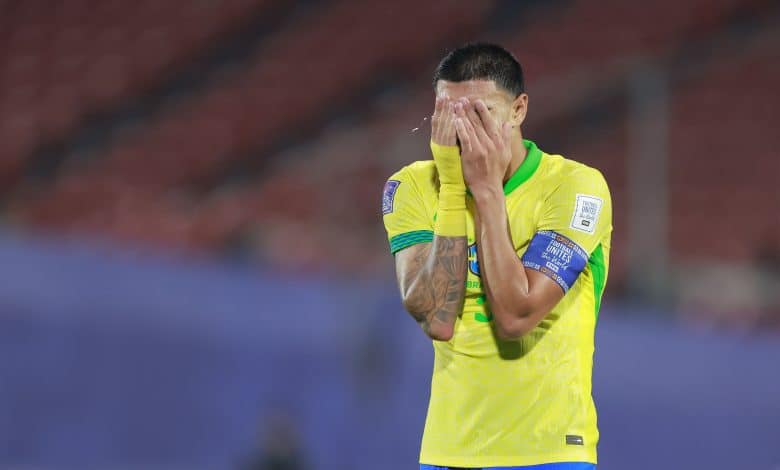
Santiago, Chile – A pall of gloom hangs over Brazilian football as the U20 national team was eliminated from the 2025 FIFA U20 World Cup in the group stage, a historic failure for the five-time champions. The young Seleção’s premature departure is not an isolated incident but the latest in a series of humiliating and unprecedented setbacks that have plagued Brazilian football at all levels, from the senior national team to its youth squads, since their last major triumph in the 2019 Copa América.
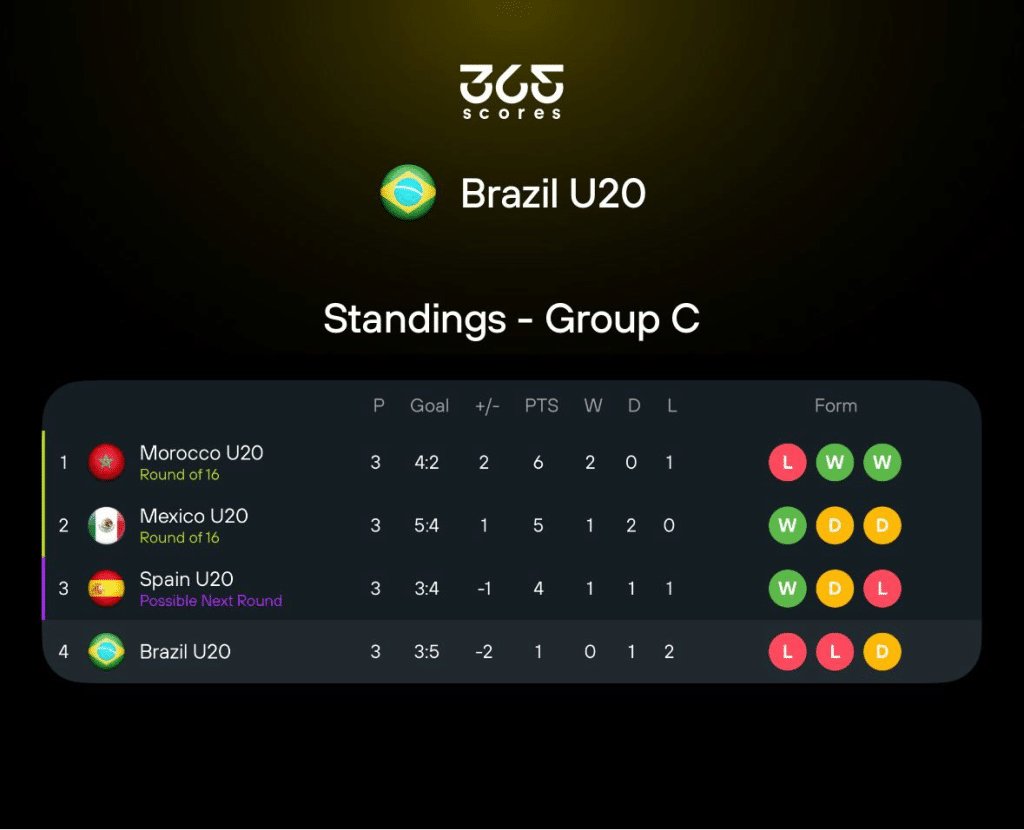
The U20s sealed their fate with a 1-0 defeat to Spain on Saturday, following a 2-1 loss to Morocco and a 2-2 draw with Mexico. This marks the first time in the history of the tournament that Brazil has failed to advance from the group stage, a stark indicator of the deepening crisis facing the world’s most successful footballing nation.
A Symptom of a Deeper Malaise
This latest disappointment is a symptom of a wider malaise that has seen the senior team, the revered Seleção, suffer a number of painful defeats and break unwanted records. The decline can be traced back to the loss of the 2021 Copa América final to arch-rivals Argentina on home soil at the legendary Maracanã Stadium.
The downward spiral continued at the 2022 FIFA World Cup in Qatar, where a highly favored Brazilian side was knocked out in the quarter-finals by Croatia on penalties, leading to the resignation of long-serving coach Tite.
Youth teams, once a consistent production line of world-class talent, have also faltered on the big stage. The 2023 U20 World Cup saw Brazil eliminated in the quarter-finals by Israel. Later that year, the U17 team was comprehensively beaten 3-0 by Argentina in the quarter-finals of their World Cup.
Historic Records Tumble
The senior team’s woes have been particularly acute in the fiercely competitive South American World Cup qualifiers. In October 2023, Brazil lost to Uruguay for the first time in 22 years. Just a month later, they suffered their first-ever defeat to Colombia in a World Cup qualifier. This was part of an ignominious run of three consecutive qualifying losses, a first in the nation’s illustrious history.
Perhaps the most symbolic blow came in November 2023, when Argentina defeated Brazil 1-0 at the Maracanã, ending the Seleção’s historic 64-match unbeaten run at home in World Cup qualifiers.
Chaos at the Top
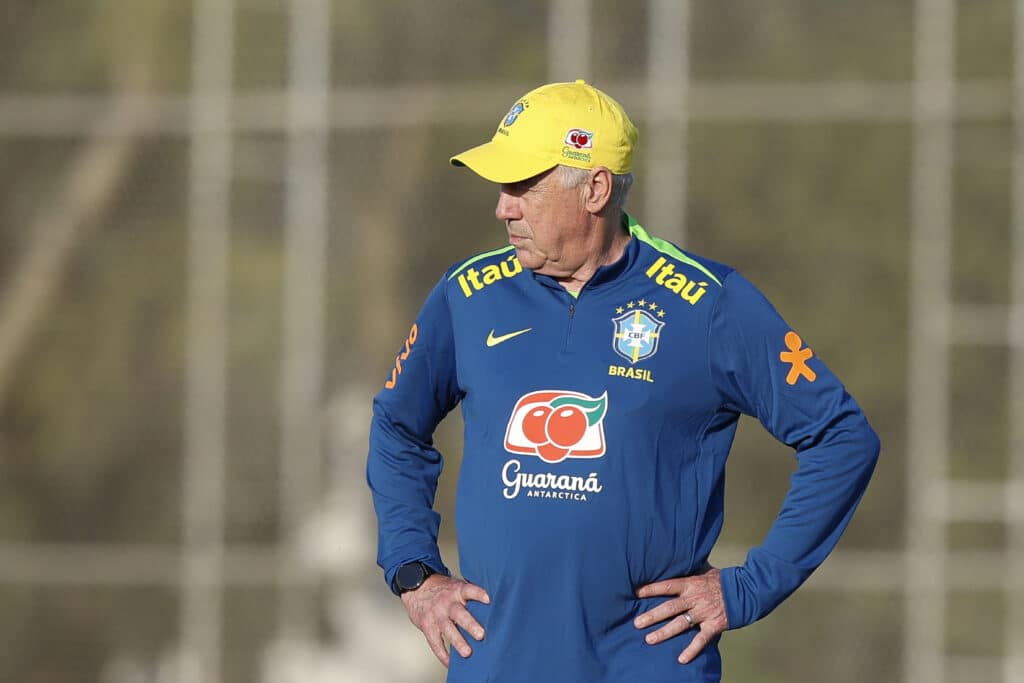
Off-field turmoil has mirrored the on-field disappointments. The president of the Brazilian Football Confederation (CBF), Ednaldo Rodrigues, was dismissed by a Rio de Janeiro court, adding to the administrative chaos. The search for a new coach descended into a public fiasco following Tite’s departure. The CBF spent the better part of a year openly pursuing Carlo Ancelotti, going as far as to announce that the Italian would take charge in mid-2024. The plan spectacularly collapsed when Ancelotti extended his contract with Real Madrid, leaving the federation humiliated and leading to the eventual dismissal of interim coach Fernando Diniz after his poor run of results.
The Pain Continues on All Fronts
The repercussions of this instability were starkly illustrated by the failure to qualify for the 2024 Olympic Games, a tournament Brazil had won in the two previous editions. A decisive loss to Argentina in the qualifying tournament meant the Seleção Olímpica would be absent from the games for the first time in two decades.
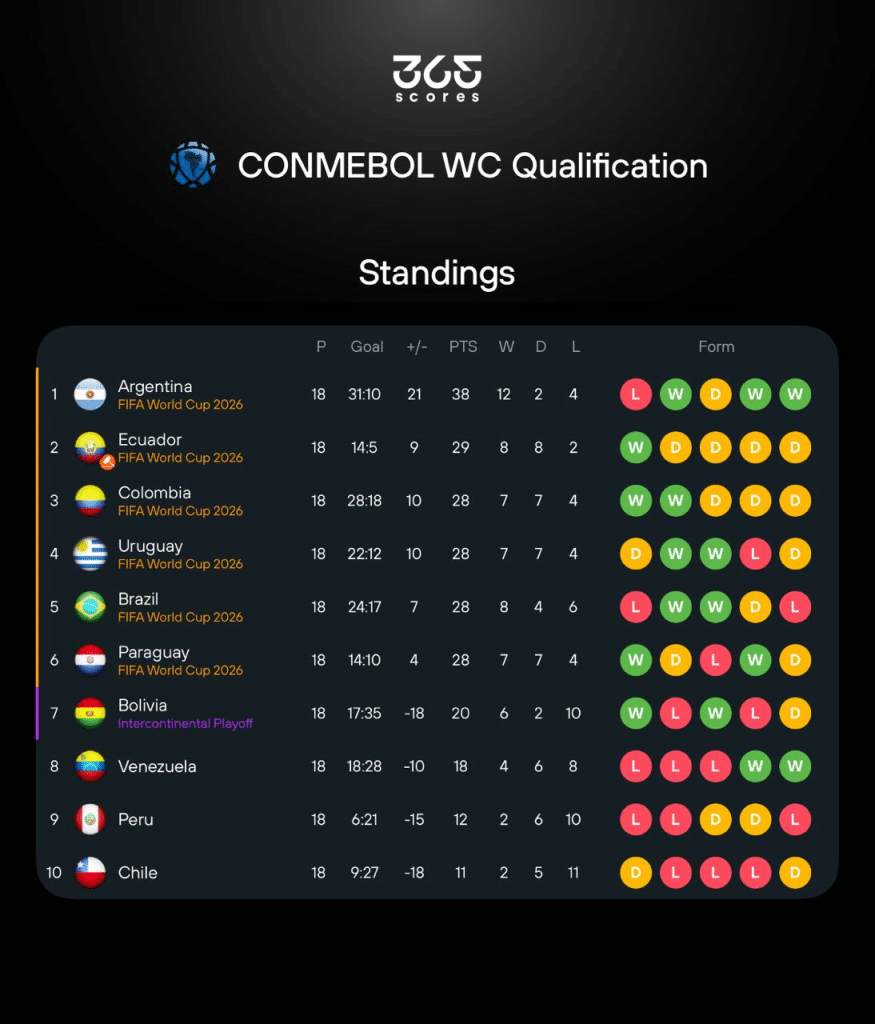
The pain has continued into the current cycle. At the 2024 Copa América, Brazil was once again eliminated in the quarter-finals, this time by Uruguay in a penalty shootout. The struggles in the 2026 World Cup qualifiers have also persisted, with a recent loss to Paraguay ending a 16-year unbeaten streak against them. Brazil currently sits in a precarious fifth place in the CONMEBOL standings.
Adding insult to injury, a crushing 4-1 defeat to Argentina in a qualifier in March 2025 marked the first time in 20 years Brazil had lost to their rivals in Argentina in the competition, and the first time they had ever conceded four goals in a South American qualifier.
The historic failure of the U20 team in Chile is therefore not just a story of a youth tournament gone wrong, but a reflection of a footballing empire in a state of alarming decline. The string of “first-time” losses, the surrender of long-held records, and the administrative instability paint a grim picture for a nation that has long considered football its birthright. The question on every Brazilian’s lips is no longer when the next trophy will be won, but when this unprecedented and deeply troubling slide will end.